AOWEISI
AOWEISI SKIN

Biological Material · Skin Management

AOWEISI SKIN

Structo-Lift Matrix

Not simple filling or single-point anti-aging, but a multi-layer biomaterial system for facial structural-matrix remodeling.

Reference price: $280.00 / box

Buy Now

DiscountQuantityPrice
0%1 - 4$280.00
8% Off5 - 9$258.00
15% Off10 - 24$238.00
22% Off25+$218.00

Current Price

$280.00

/ set

Total: $280.00

1
SKUSTRUCTO_LIFT_MATRIXCategoryIntimate Care

Detailed Information

Vial spec

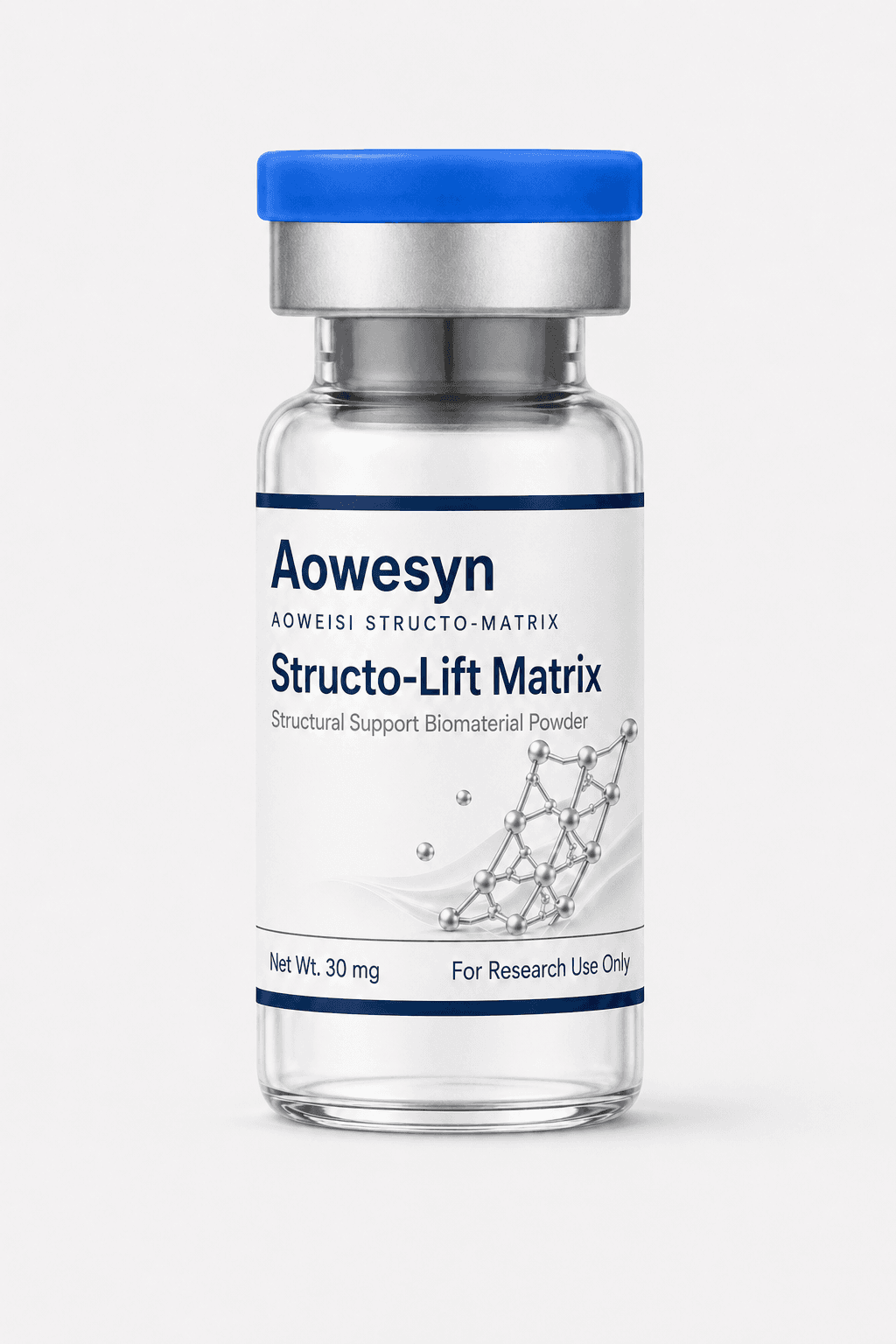
30 mg · lyophilized powder · Appearance: white to off-white cake

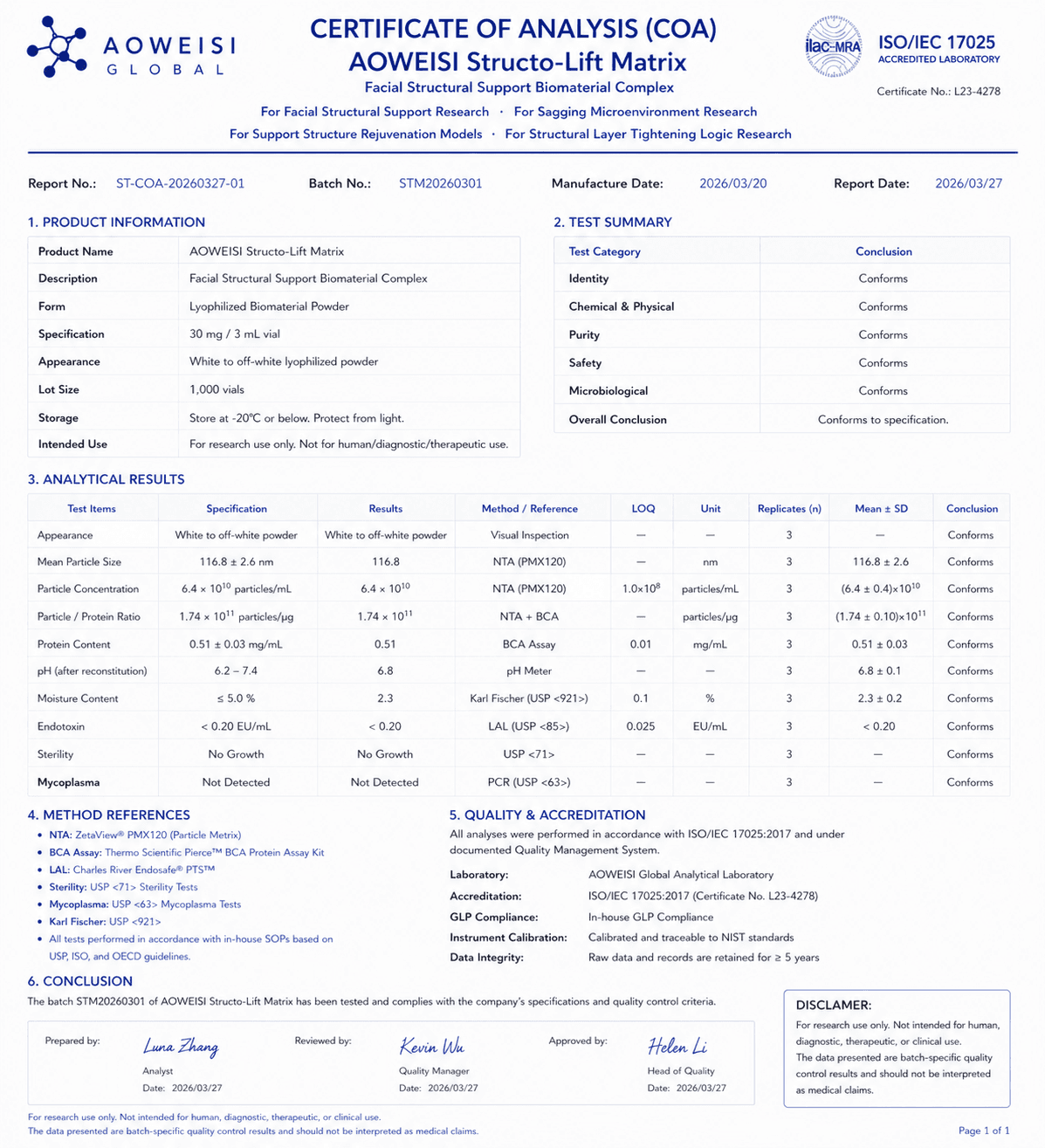
COA

No. STM-COA-20260327-01 · Lot STM20260301 · Mfg Mar 20, 2026 · Issued Mar 27, 2026

Size / concentration

Mean size 116.8 nm (spec 100–150 nm) · ~6.4×10¹⁰ particles/mL · Ratio 1.45×10¹¹ particles/µg

Protein / pH

Protein 0.51 mg/mL · pH (1 mg/mL) 6.8 (spec 6.0–7.5) · Moisture 2.5%

Endotoxin / metals

Endotoxin < 0.25 EU/mL · Pb/As < 0.02 ppm (spec ≤ 0.05 ppm)

Sterility / mycoplasma

Sterility: no growth · Mycoplasma: not detected · Residual solvents per USP · Conforms (ISO/IEC 17025, L23-4278)

Lab test image

Product Quality Confirmation Report

Confirms this batch's appearance, specifications, key components, physicochemical indicators and quality standards, ensuring the product meets release quality requirements.

Comparative Mapping

Product Differential Comparison Database

Shows product-specific differences versus traditional categories, including traditional logic, limitations, AOWEISI logic, and key differentiation.

Traditional Research Route

Traditional Research Route

HA fillers, collagen-stimulating materials, thread-lift support, contour-management programs.

Traditional Research Logic

Traditional structural management mostly centers on filling, support and lifting—focused on facial depressions, volume loss, contour slackness and local shape adjustments—hoping that physical support or collagen stimulation can make the face look fuller and more dimensional.

Traditional Research Limitations

Conventional thinking tends toward 'fill in, prop up, pull up', often staying at the surface-shape management level. It usually lacks a systematic framework for the interplay among extracellular-matrix changes, reduced tissue-support stability and weakened regenerative signaling behind facial structural aging.

Biomaterial Research Route

Research Direction of This Biomaterial

Focuses on the slackness, depressions, blurred contour and reduced support that arise with age, work-rest fluctuation and external pressure—studying the relationship across extracellular matrix, tissue support, structural homeostasis and regenerative signaling, to help skin maintain a more stable, clearer and more supportive facial state.

Core Research Difference

Traditional contour management mostly stays at 'filling and support'; AOWEISI focuses on why the face shows gradually reduced support, looser contours and weakened firmness, and how a more systematic biomaterial care approach can help the face maintain a steadier, more natural structural state.

Research Mechanism Keywords

Structural support, matrix homeostasis, tissue support, contour foundation, regenerative-signal regulation, structural rejuvenation.

All content above is based on in vitro research, preclinical research, and biomaterial mechanism research, and does not constitute any promise of disease diagnosis, treatment, cure, prevention, or human clinical efficacy.
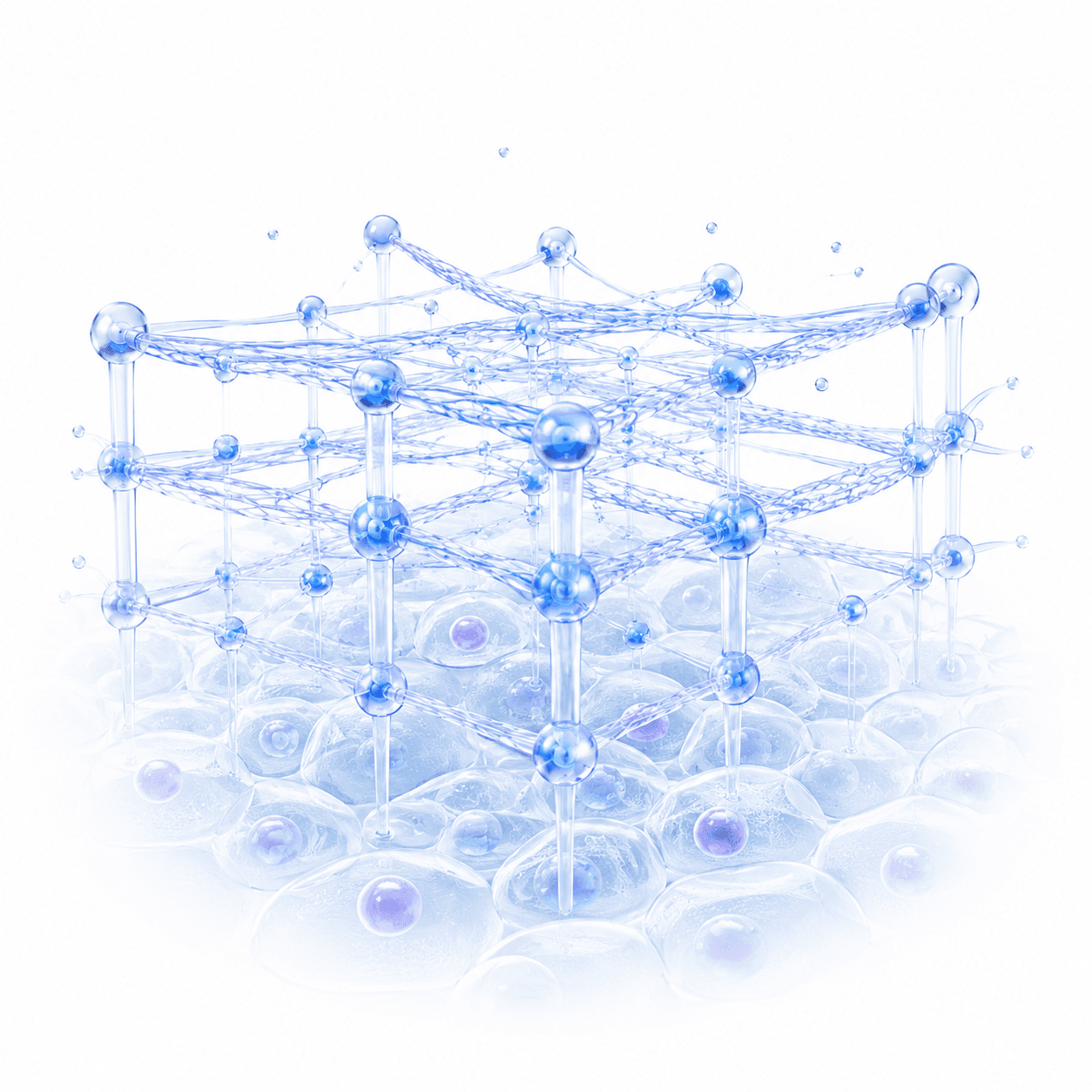
Research mechanism overview

Structural support network illustration

Structural support network research

Mechanism pathway

Focuses on the gradual reduction of support, blurred contour edges and loose appearance that the facial support structure develops over time, expression activity, irregular rhythm and environmental influence. Around the construction, distribution and tension-transduction of the facial structural support network, it observes synergy and force change between deep and superficial layers. Not simply adding 'filler feel', it asks why the network gradually weakens and how to help the face maintain a steadier, more orderly support state.

Applicable scenarios

  • Suited for reduced contour support, less clear jawline, loose local feel, less crisp facial structure, and a need for foundational support management.
Support NetworkTensionSupport frame homeostasis
ECM homeostasis illustration

Extracellular-matrix homeostasis

Mechanism pathway

Focuses on the stable state of the ECM as the 'skin support environment'. Around collagen, elastic fibers and related matrix arrangement and synergy, it observes why skin gradually shows reduced elasticity, less fullness, coarser texture and tired quality. Not adding a single ingredient class, but starting from the overall matrix environment to keep structural order, elastic balance and long-term support.

Applicable scenarios

  • Suited for reduced elasticity feel, insufficient plumpness, more visible facial texture, less refined quality, and structural-level management.
Structural ECMCollagenElastinMatrix homeostasis
Matrix remodeling illustration

Matrix-remodeling regulation

Mechanism pathway

Focuses on the 'renewal–restoration–rebalance' dynamics of the skin matrix. Around fibroblast activity, matrix metabolism rhythm and structural renewal, it observes how reduced support evolves into loose texture, uneven quality and lower structural feel. Not short-term surface improvement, but whether matrix renewal rhythm stays orderly and how to support a more balanced, stable remodeling state.

Applicable scenarios
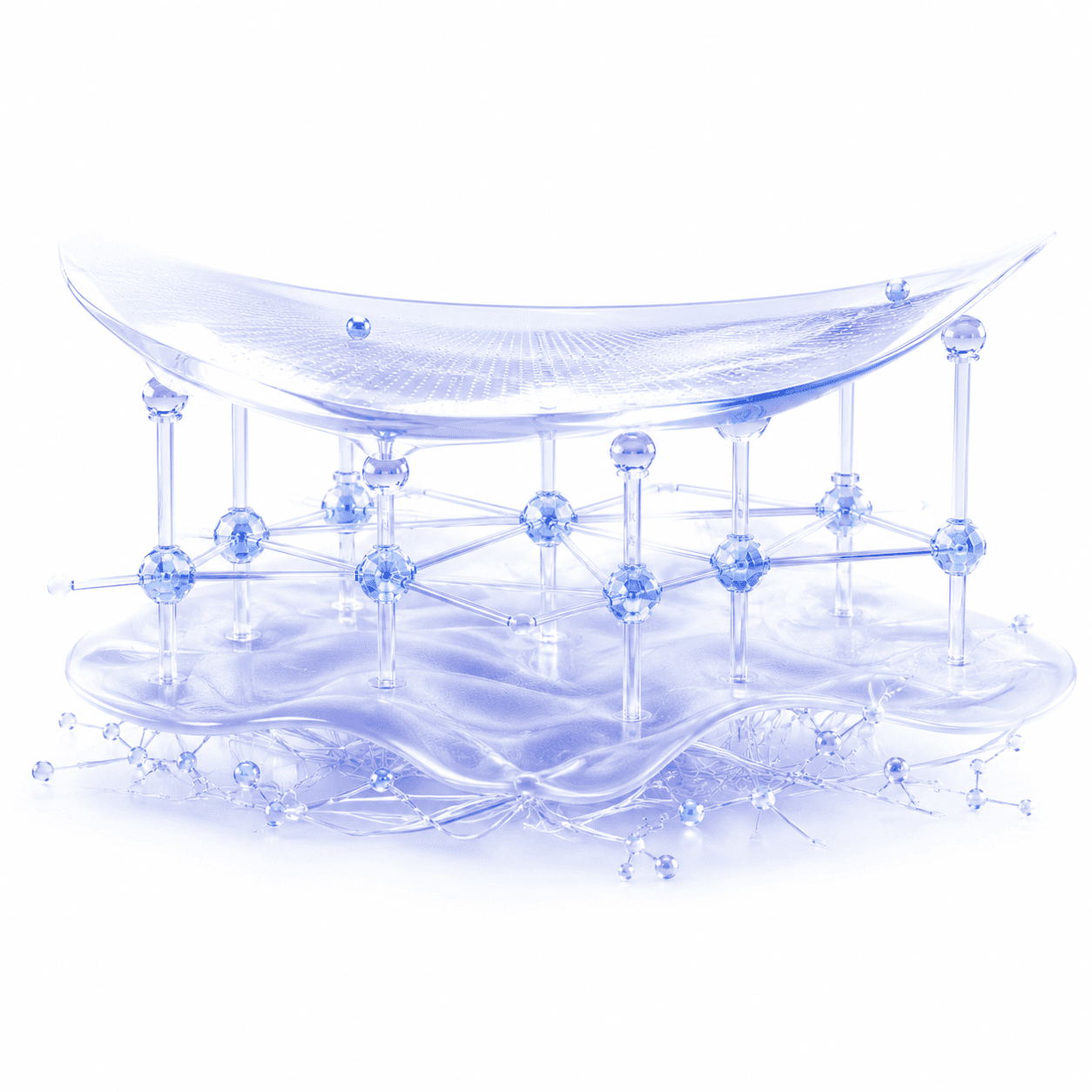
  • Suited for reduced support, less even texture, loose-feel quality and finer structural decline, with attention to matrix-renewal rhythm.
RemodelingMatrix RenewalArchitectureStructural remodeling
Contour foundation illustration

Contour foundation stability

Mechanism pathway

Focuses on the fact that the facial contour isn't a single-surface issue—it relates to deep support, structural stability and force balance. Around how structural support holds the contour foundation, it observes why contour edges blur, lines weaken and local sagging tends to increase. The focus is supporting a stable contour foundation for a more coordinated, clearer overall structural look.

Applicable scenarios
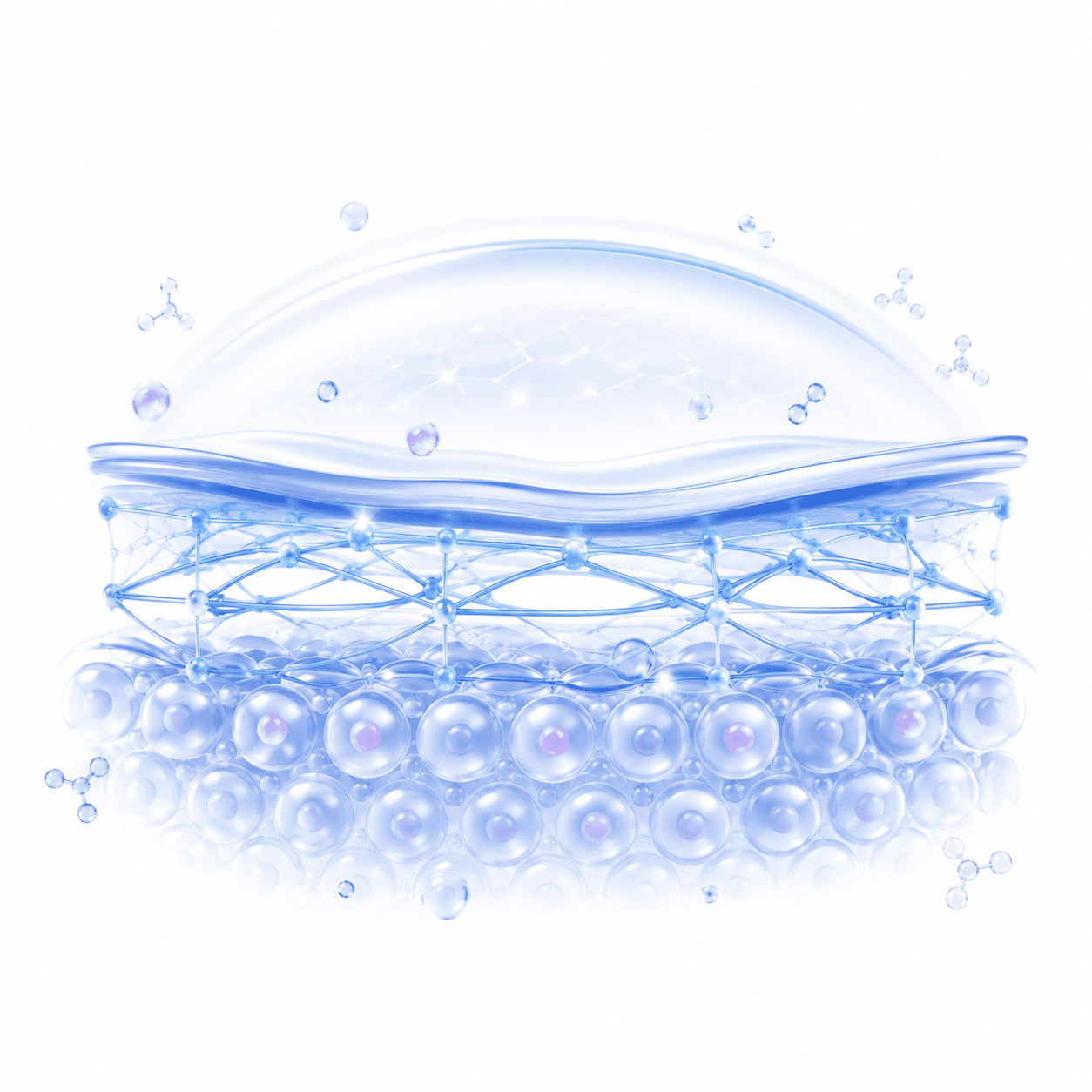
  • Suited for reduced contour clarity, weaker lower-face support, increased local slack, and contour-foundation stability concerns.
Contour SupportFoundationContour BaseStabilityContour support
Tissue-order rejuvenation illustration

Tissue-structure rejuvenation expression

Mechanism pathway

Observes facial structural rejuvenation features at the holistic level—tissue density, elasticity, orderly arrangement and structural coordination. Not stopping at one surface indicator, it works across 'support–matrix–contour' to understand why skin looks less firm, fine and orderly, and supports a more balanced, coordinated youth-leaning structure.

Applicable scenarios

  • Suited for multi-dimensional laxity, texture feel, lower elasticity and less crisp contour appearing together, and long-term holistic structural management.
RejuvenationTissue OrderSupportive ProfileTissue rejuvenation

7 product functions & the issues they address

Plain-language framing
FunctionIssues addressed
01Contour support careWeaker contour, facial laxity, insufficient support, tired look
02Matrix supple reboundDeflated skin, lack of elasticity, less plump touch
03Soft, clear textureFine lines, uneven micro-relief, rough texture
04Elastic & pliant careSlow rebound after expression, lower elasticity, slack feel
05Deep-line softeningNasolabial folds, deep grooves, deepening dynamic lines
06Gentle laxity narrativeSustained drooping, tiredness, less open facial lines
07Overall support stabilityLoose facial structure, unclear contour, lower youth feel
Research framing
Research targetPrimary action direction
Reduced facial structural supportSupport a firmer, fuller, more stable contour expression
Matrix-layer hydration and elasticityHelp skin keep a supple, springy, plump touch
Evenness of textured areasSupport a softer surface texture, less roughness and unevenness
Elastic fibers and dynamic stretchingHelp skin keep pliant rebound after expressions
Deep-line and groove expressionSoften and open up line areas; improve smoothness
Structural stability under laxityHelp skin look more open and better supported
Whole matrix network and elasticitySupport structural stability and a youthful contour
R&D logic keywords
Matrix Support Network
Collagen-Elastic Network Synergy
Structural Resilience Support
Biocompatibility & Targeted Delivery
Homeostasis-oriented Validation

Facial structural matrix: seven care-forward scenarios

Scenario 1 | Firming soothing care for weak facial contour support
Firming soothing care for weak facial contour support

· Suitable states

Suited for daily care when facial contour weakens, the face looks tired and support is insufficient.

· Core focus

Focuses on structural support and contour stability to help skin look fuller, firmer and more refreshed.

· What you might notice

Touch feels more supported; the contour reads clearer; facial fatigue and slack are eased more gently.

Research statement

  • Support the matrix structure to improve support feel
  • Focus on collagen and elastic networks to keep contour stable
  • Help improve slack appearance and lift firmness

Individual experiences vary; not a promise of fixed outcomes.

Scenario 2 | Supple soothing care for deflated, less springy skin
Supple soothing care for deflated, less springy skin

· Suitable states

Suited for daily care when skin looks deflated or less plump, with reduced springy touch.

· Core focus

Focuses on hydration and rebound to bring skin from a deflated, tight state back to a softer, fuller one.

· What you might notice

Skin feels more supple; touch is springier; deflated tightness eases more readily.

Research statement

  • Optimize matrix-layer hydration to improve plump touch
  • Support elastic structures and keep rebound
  • Maintain softness and reduce deflated tightness

Individual experiences vary; not a promise of fixed outcomes.

Scenario 3 | Smoothing soothing care for visible skin texture
Smoothing soothing care for visible skin texture

· Suitable states

Suited for skin with fine lines, uneven texture or rough surface, especially after dryness.

· Core focus

Focuses on evenness and refinement of textured areas to keep skin softer, smoother and more orderly.

· What you might notice

Smoother touch; softer texture; more even surface; overall refinement improves.

Research statement

  • Support surface evenness and ease rough touch
  • Focus on collagen/elastic structure for refinement
  • Help line areas stay soft and open

Individual experiences vary; not a promise of fixed outcomes.

Scenario 4 | Soothing care for smile/dynamic lines after expressions
Soothing care for smile/dynamic lines after expressions

· Suitable states

Suited for those with visible lines after expressions, reduced rebound, or who easily show smile/dynamic lines.

· Core focus

Focuses on elasticity and pliancy to help skin keep rebound after daily expression changes.

· What you might notice

Expression lines are less stiff; touch is more pliant; the face looks more naturally relaxed.

Research statement

  • Support elastic-fiber networks for rebound
  • Focus on line expression after dynamic stretching
  • Help skin keep pliant, firm states

Individual experiences vary; not a promise of fixed outcomes.

Scenario 5 | Soothing care for visible nasolabial folds and deep grooves
Soothing care for visible nasolabial folds and deep grooves

· Suitable states

Suited for those with visible nasolabial folds, deep grooves, marked expression lines or deeper line zones.

· Core focus

Focuses on support and openness in deep-line areas to soften the line look and improve evenness.

· What you might notice

Lines look softer; grooves are more gently masked; the overall expression reads more open.

Research statement

  • Support deep matrix structure and improve line support
  • Focus on elasticity and fullness around grooves
  • Help line areas stay open and smooth

Individual experiences vary; not a promise of fixed outcomes.

Scenario 6 | Gentle soothing care for slack, tired faces
Gentle soothing care for slack, tired faces

· Suitable states

Suited for those whose facial lines are unclear, with obvious sagging or chronic fatigue.

· Core focus

Focuses on support and openness under laxity to help skin look lighter and steadier with a youthful feel.

· What you might notice

The face looks more open; slack tiredness eases more readily; overall contour is softer and steadier.

Research statement

  • Focus on synergy of structural support and elasticity
  • Support firmness to improve drooping look
  • Help skin keep stable, open states

Individual experiences vary; not a promise of fixed outcomes.

Scenario 7 | Steady soothing care for loose feel and reduced support
Steady soothing care for loose feel and reduced support

· Suitable states

Suited for those with reduced overall facial support, unclear contour, loose feel, or comprehensive youthful maintenance.

· Core focus

Focuses on synergy of overall matrix network and elasticity to keep skin steadier, fuller and more supported.

· What you might notice

Overall feel is firmer; contour reads clearer; skin is softer and more even.

Research statement

  • Support the overall matrix network and structural stability
  • Focus on collagen-elastin system synergy to lift support look
  • Help skin keep balanced, full, firm states

Individual experiences vary; not a promise of fixed outcomes.

This product is a research-use biomaterial sample intended only for in vitro research, materials evaluation, and formulation-development reference. Nothing herein constitutes diagnosis, treatment, cure, or prevention of any disease, nor a guarantee of results after consumer use. For clinical use, aesthetic-medicine contexts, or skin disease management, follow qualified physician or pharmacist guidance.

Partnership

Discuss Professional Partnership

For material procurement, professional program partnerships, or custom development inquiries, please contact us through our partnership channel.