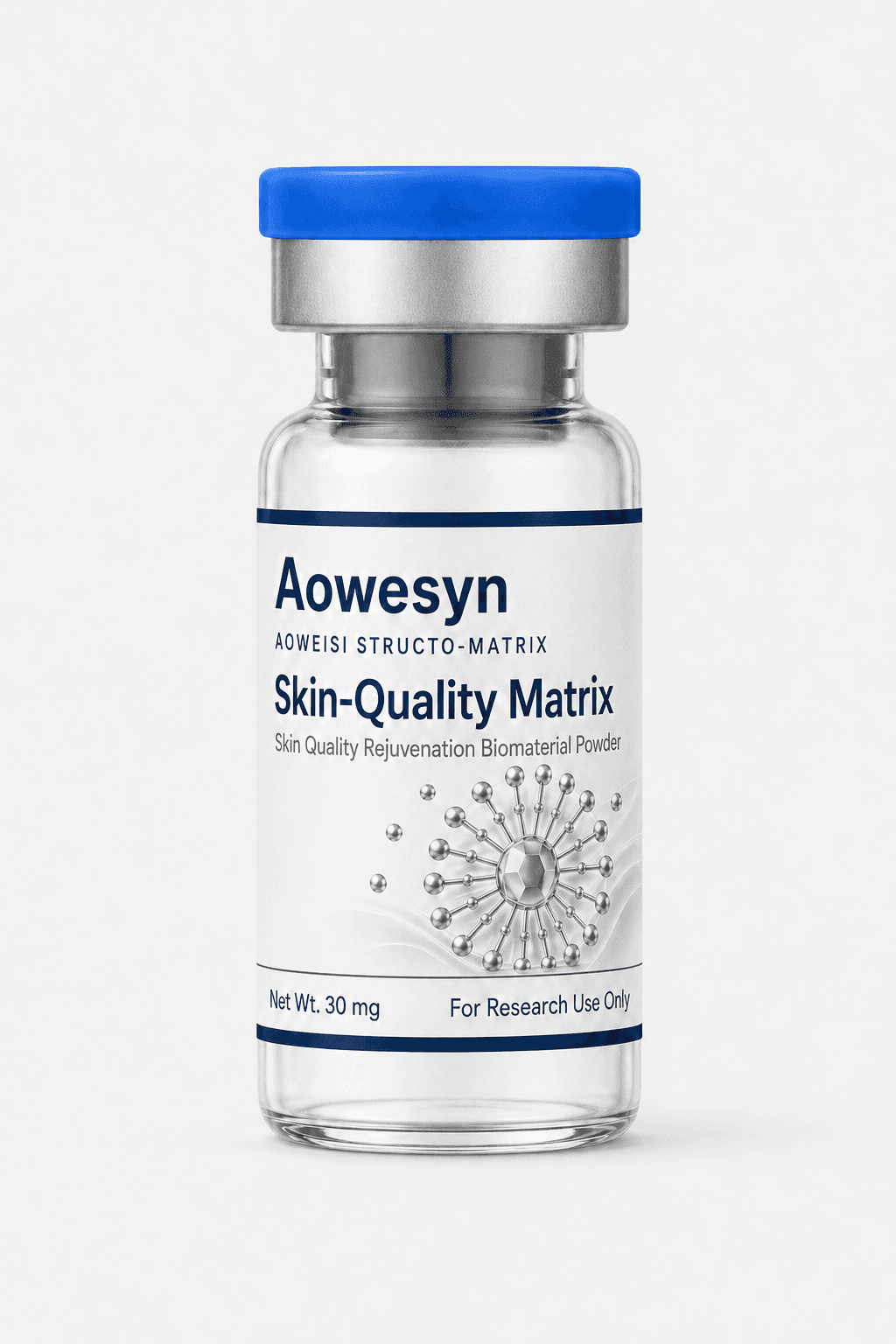
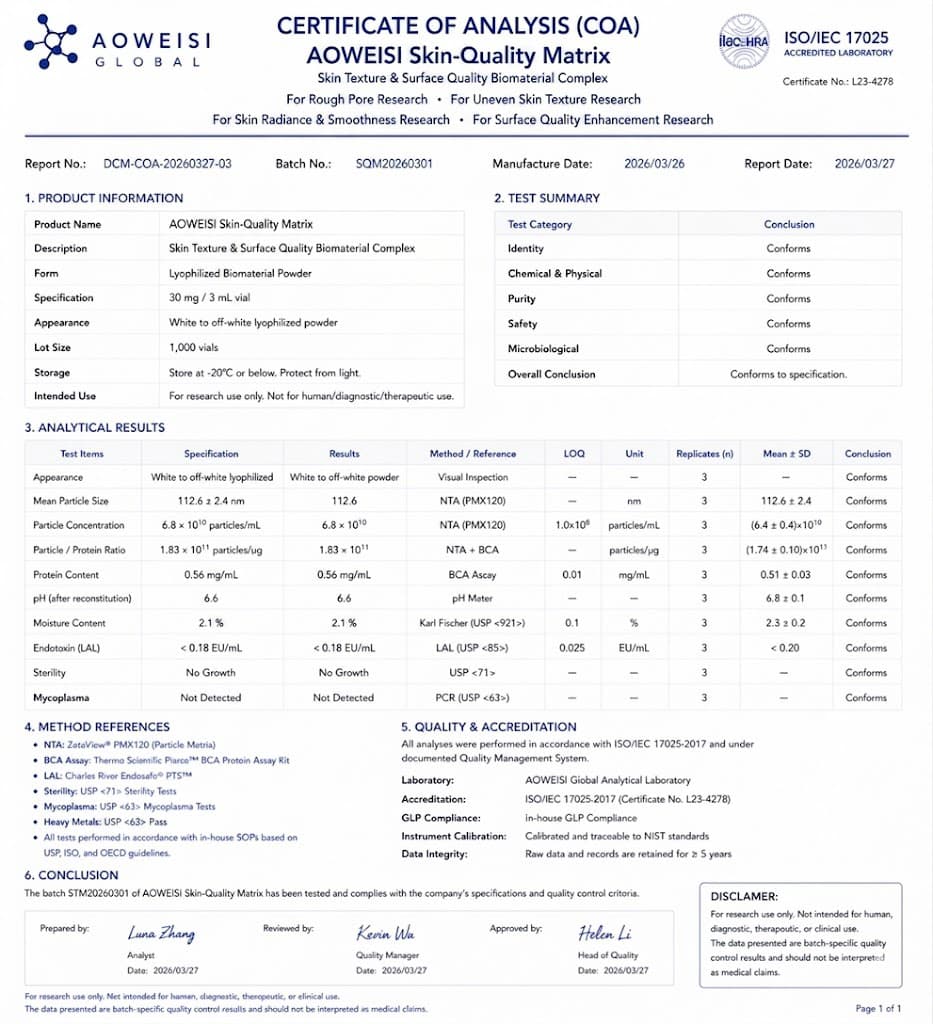
INCI
INCI Name Assigned
Mono ID 40978 · standardized ingredient identity
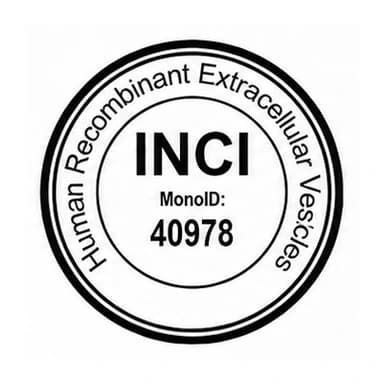
Mono ID 40978 · standardized ingredient identity
Three AOWEISI product filing records
Comparative Mapping
Shows product-specific differences versus traditional categories, including traditional logic, limitations, AOWEISI logic, and key differentiation.
Traditional Research Route
Skin-booster products, skin-quality management products, brightening serums, hydration injectables, antioxidant skincare.
Traditional Research Logic
Traditional skin-quality management mostly centers on hydration, brightening, roughness reduction, glow enhancement and firmness boosting—commonly via hyaluronic-acid hydration, antioxidant ingredients, nutrient supplementation or superficial stimulation, to make the skin look more dewy, bright and refined quickly.
Traditional Research Limitations
Conventional thinking mostly focuses on the immediate 'look dewy/bright/refined' surface state, often staying at hydration and brightening. It usually lacks a systematic framework for the relationship behind skin quality—across barrier state, oxidative pressure, matrix support, low-inflammation microenvironment and regenerative signaling.
Research Direction of This Biomaterial
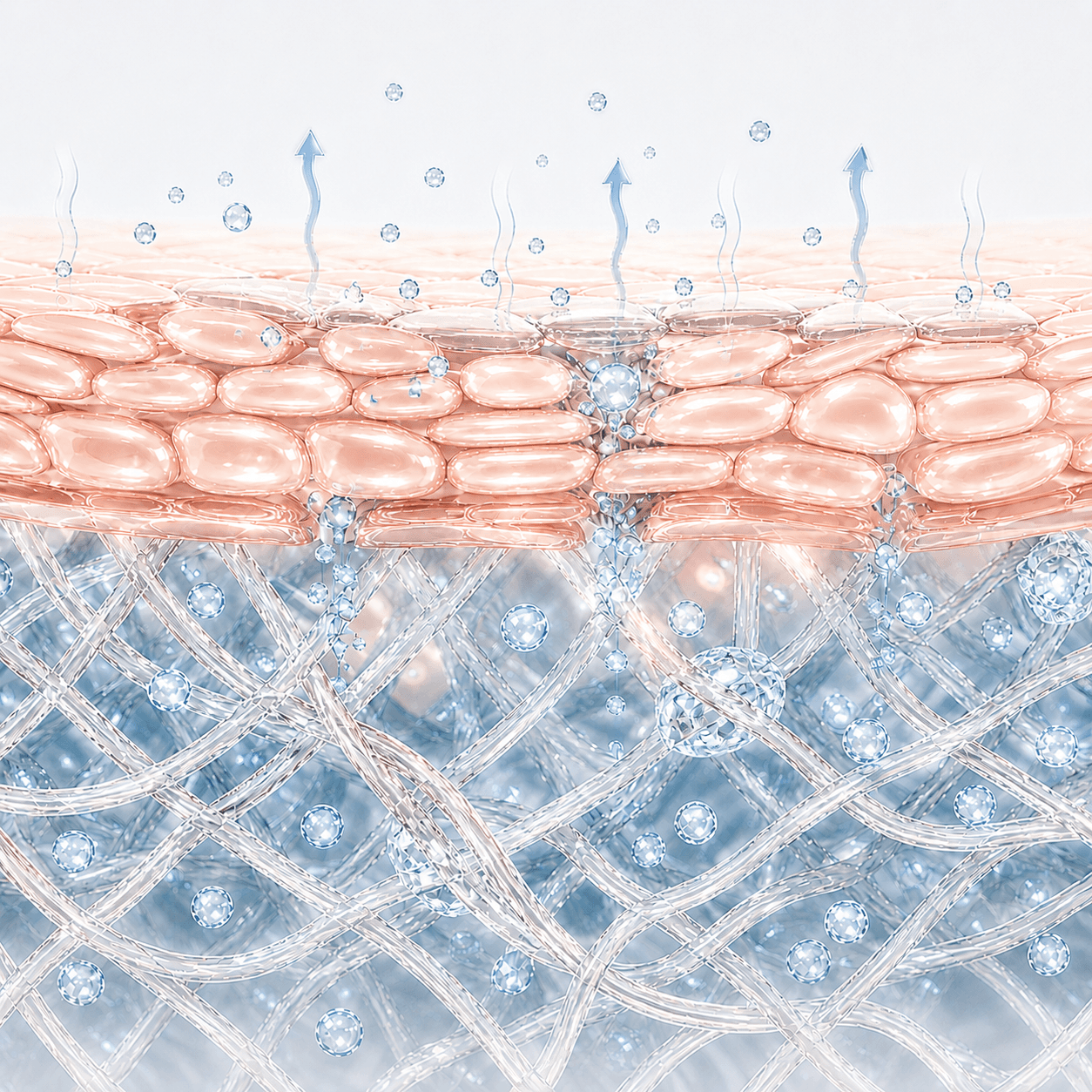
Focuses on the dullness, roughness, dry lines, lower elasticity and unstable states that appear after late nights, stress, dryness, cleansing and environmental change—studying the relationship across barrier, oxidative pressure, epidermis-dermis microenvironment, matrix support and regenerative signaling, to help skin maintain a more even, refined, glowing daily quality.
Core Research Difference
Traditional skin-quality management mostly stays at 'add hydration, brighten, make skin look better now'; AOWEISI focuses on why skin keeps becoming dull, rough or lacking glow, why states swing after late nights/cleansing/season change/external stimuli, and how a more systematic biomaterial care approach can help whole-face skin maintain a steadier, clearer, refined youthful state.
Research Mechanism Keywords
Skin-quality microenvironment, barrier homeostasis, oxidative-stress control, matrix support, radiance, refinement, elasticity, regenerative-signal regulation.
All content above is based on in vitro research, preclinical research, and biomaterial mechanism research, and does not constitute any promise of disease diagnosis, treatment, cure, prevention, or human clinical efficacy.
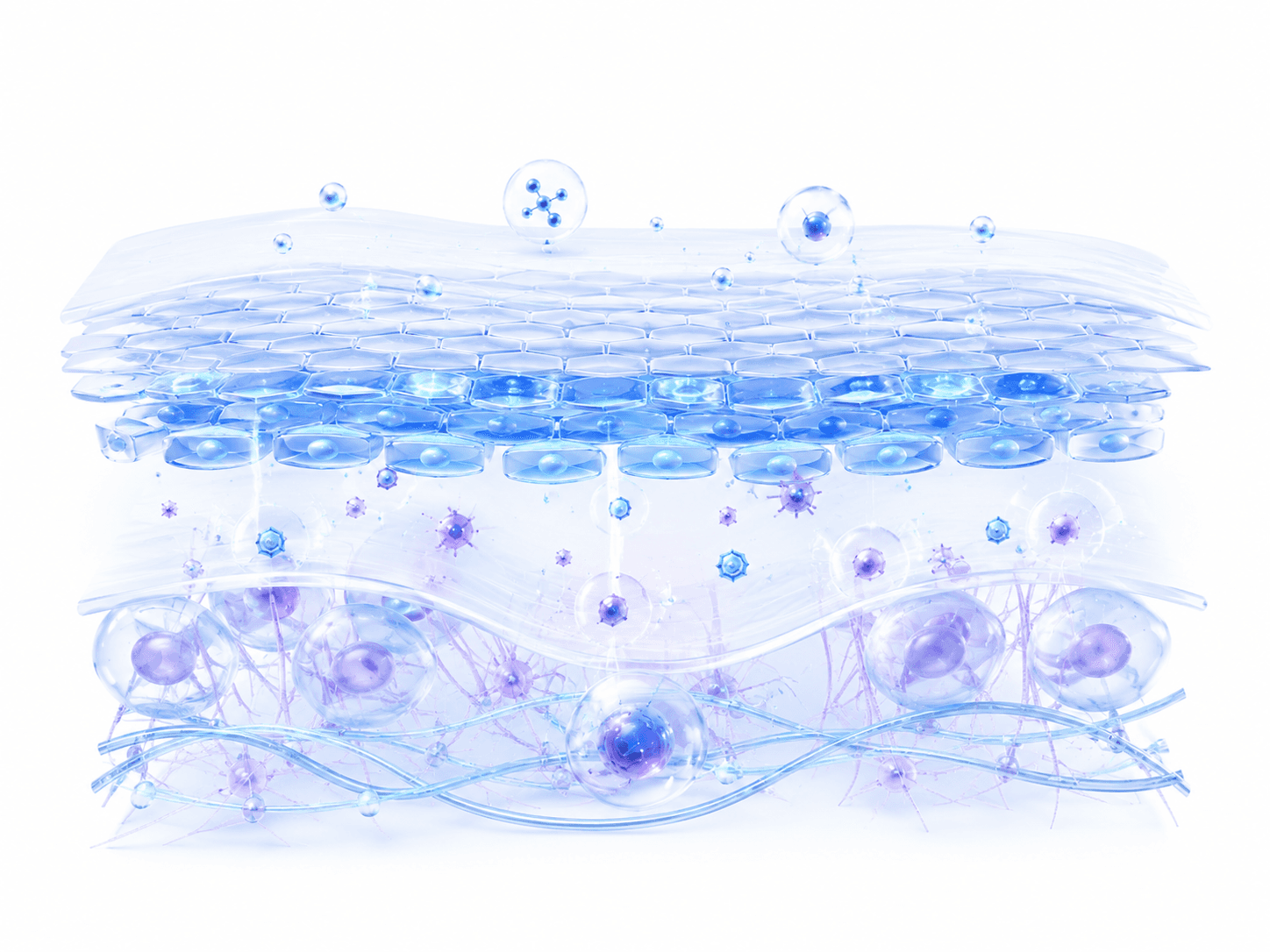
Mechanism pathway
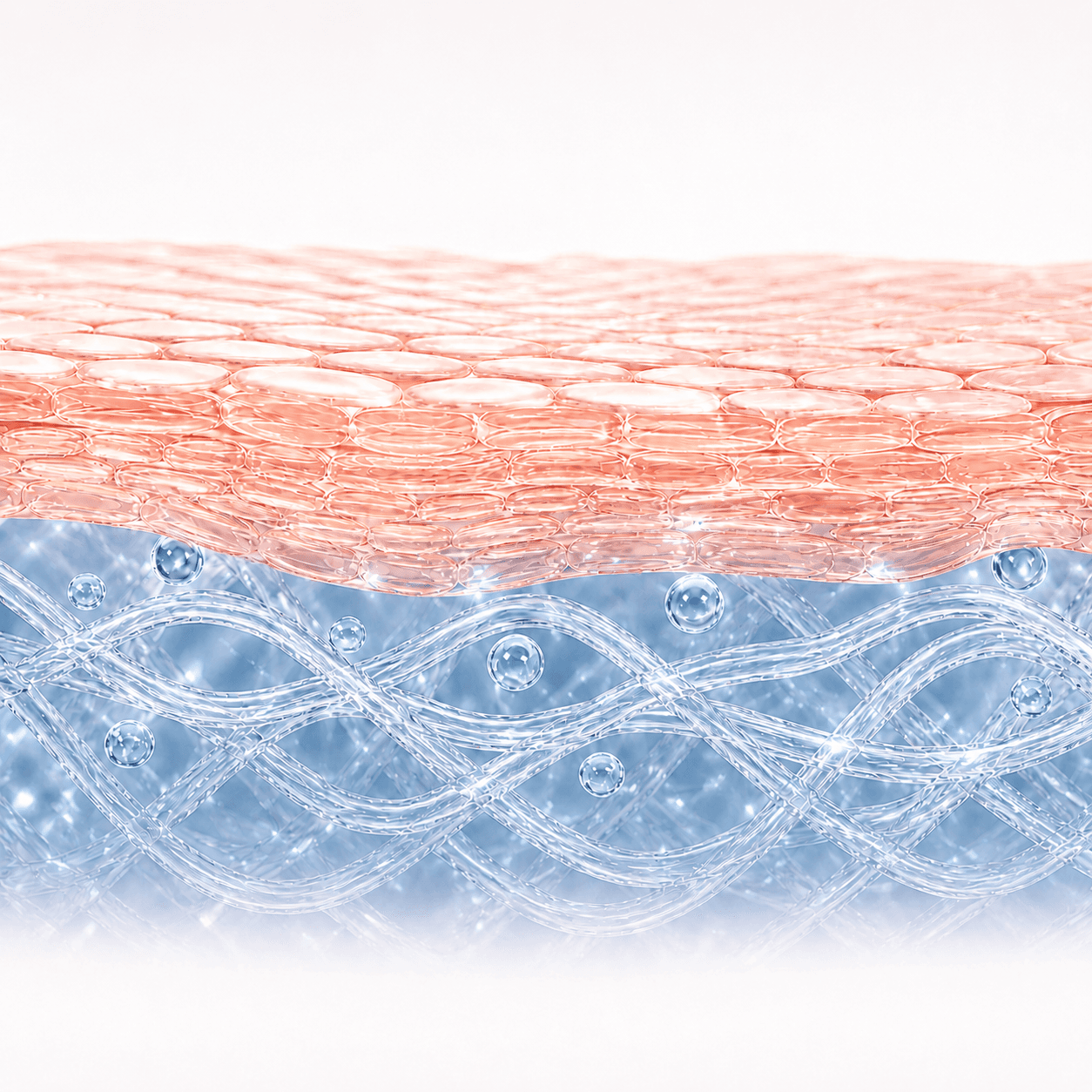
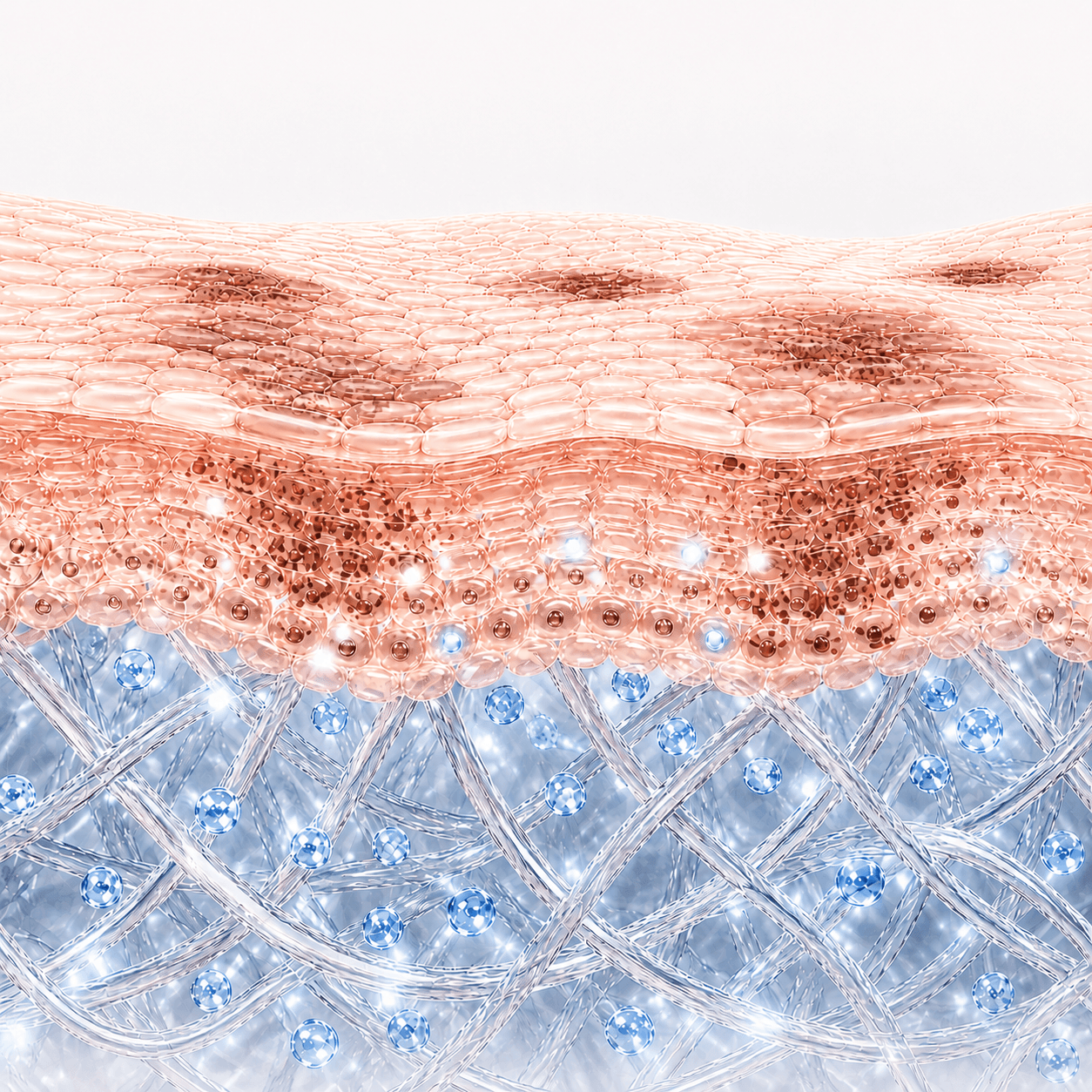
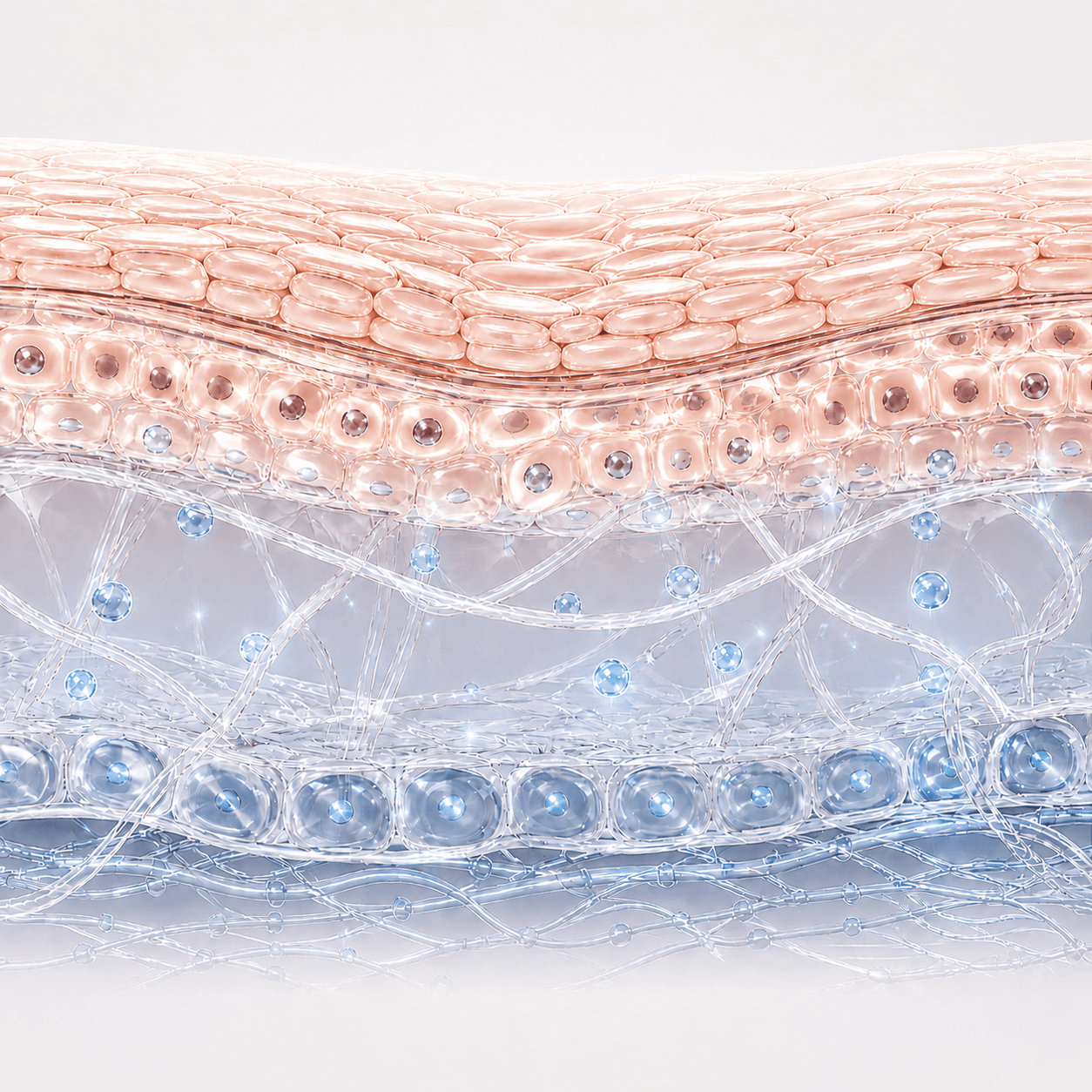
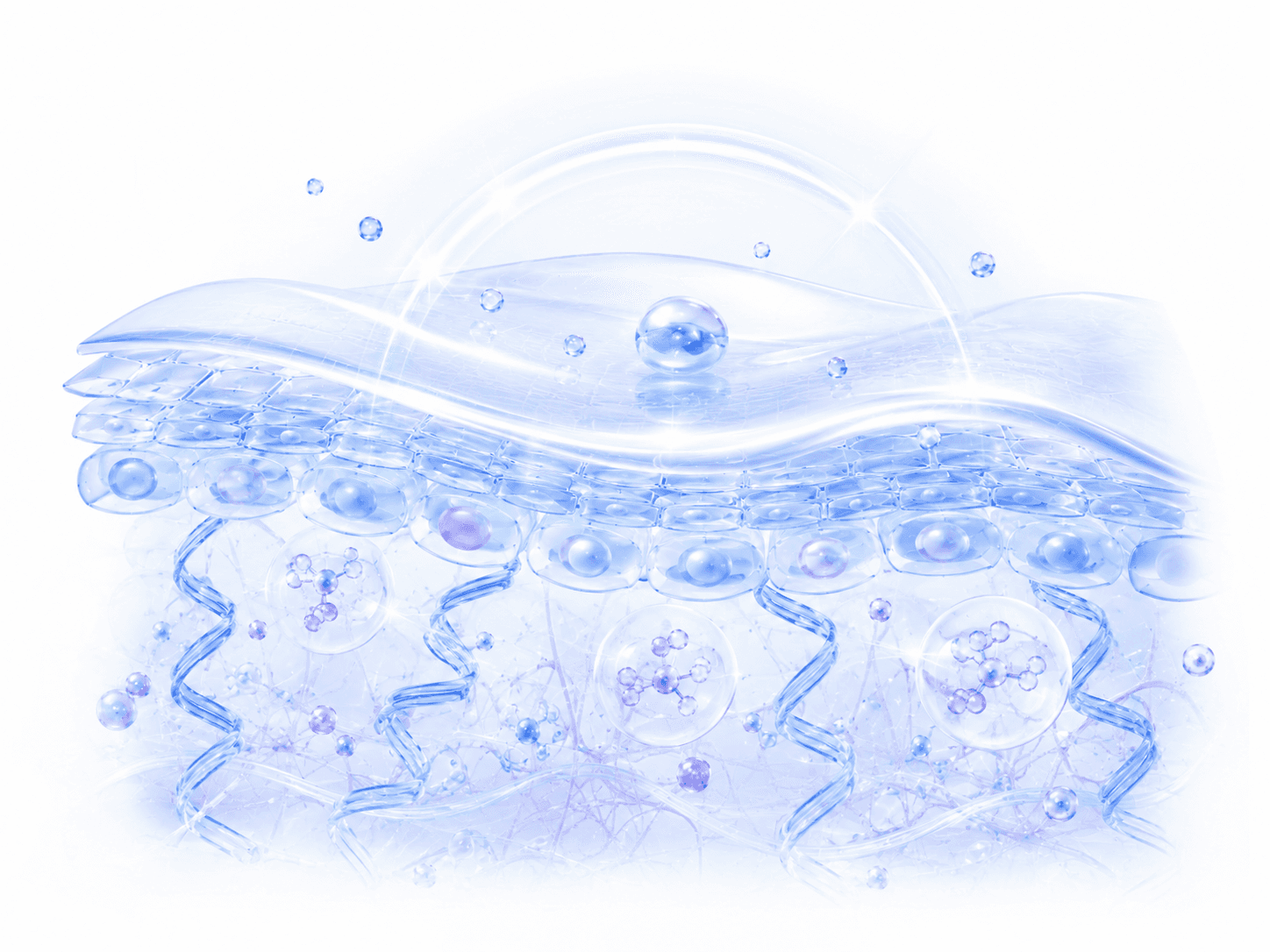
Skin-quality rejuvenation isn't only a surface issue—it's tied to how epidermis and dermis communicate. Around cell signaling, microenvironment balance and multi-layer synergy, observation of why skin becomes rough, dull, fluctuating and less refined after late nights, season change, dryness, over-cleansing or stimuli. Not 'add a little something', but supporting smoother epidermis-dermis synergy for a steadier, finer overall state.
Applicable scenarios
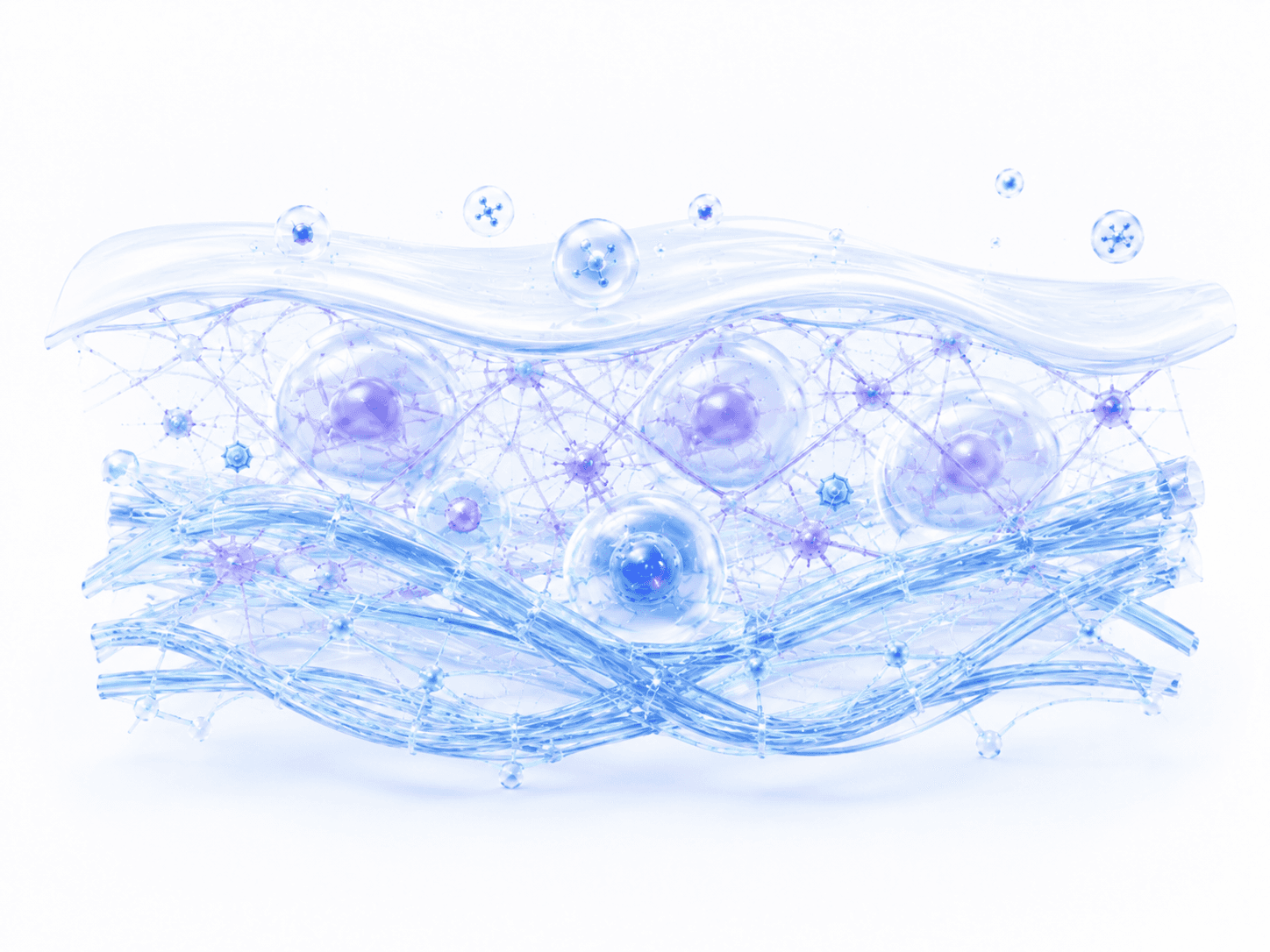
Mechanism pathway
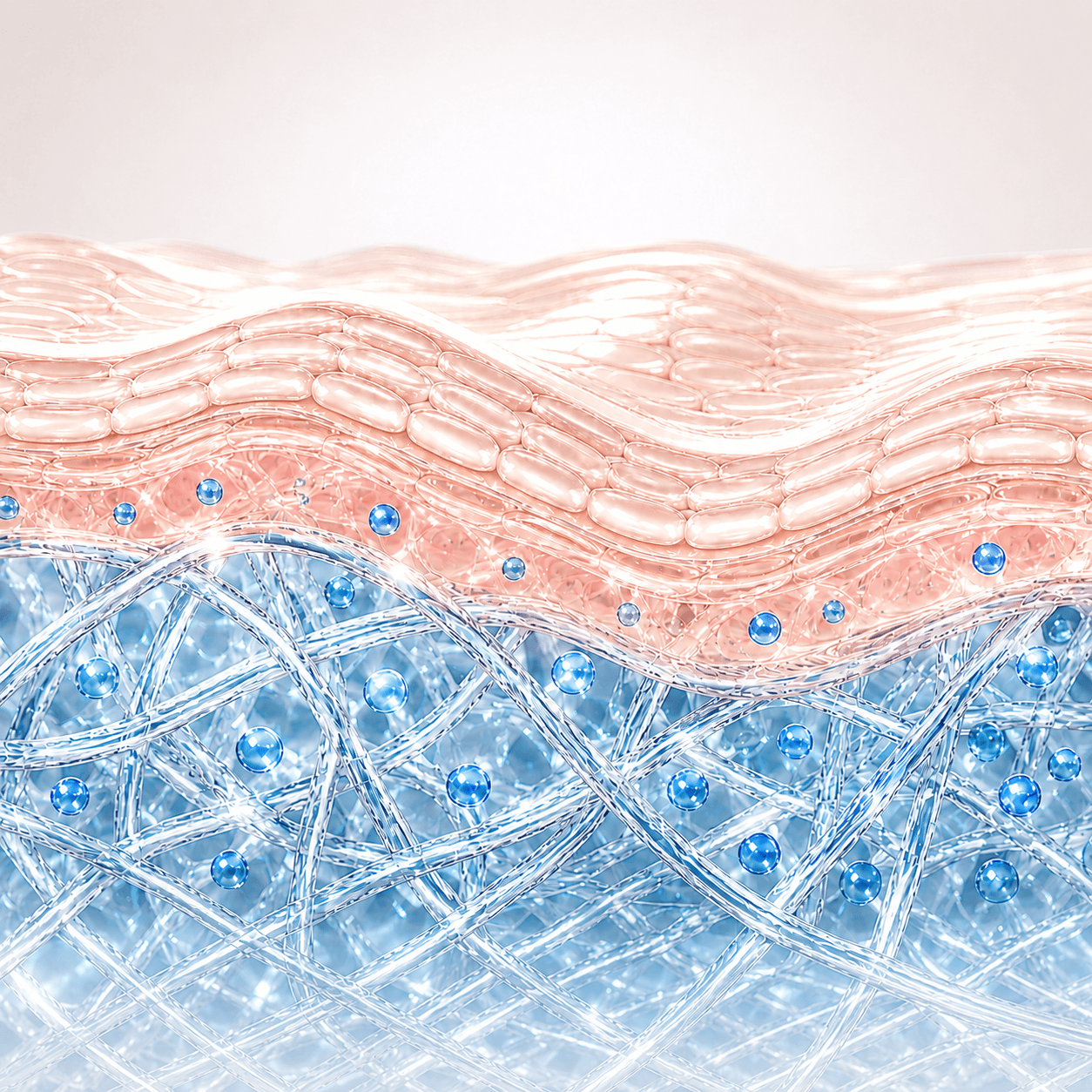
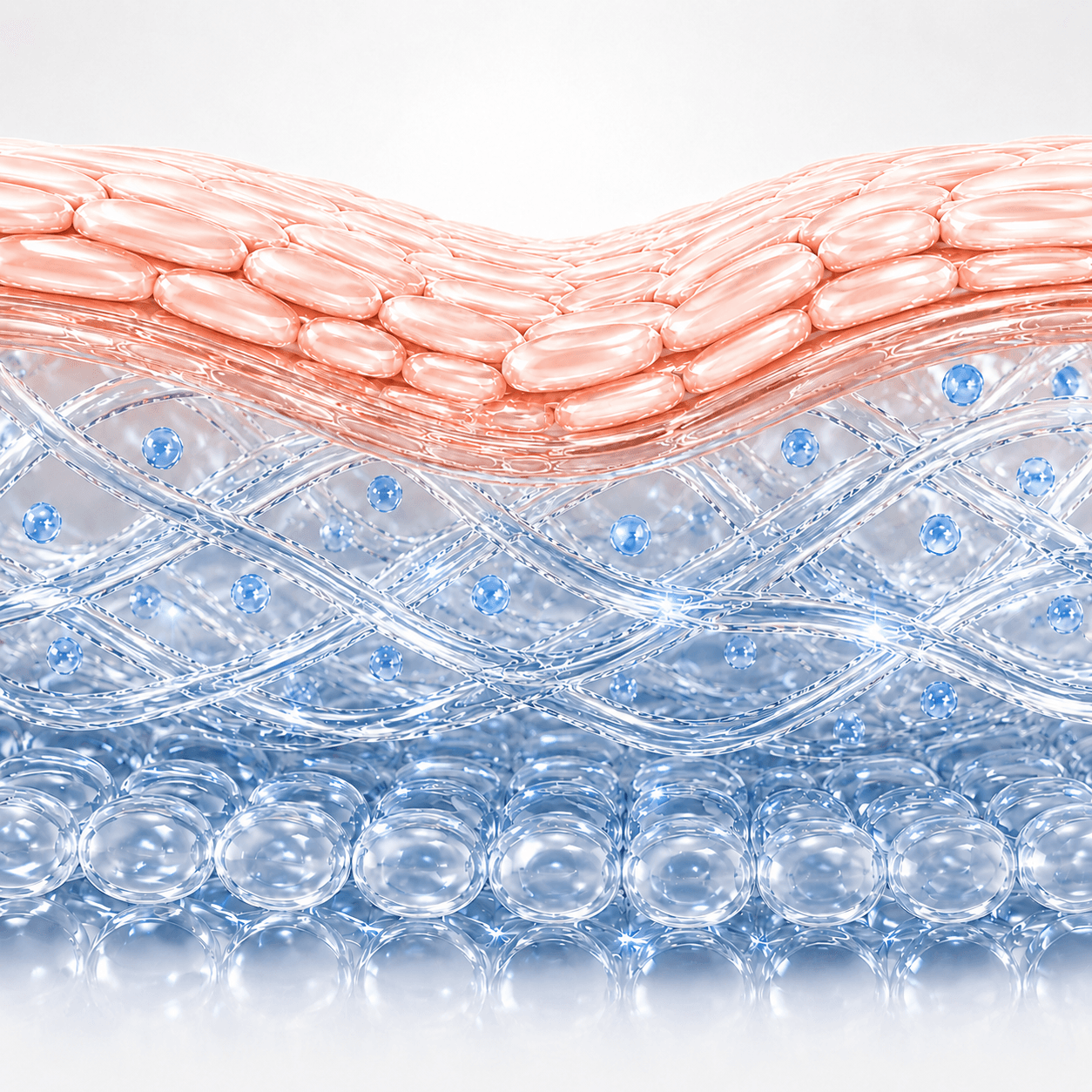
Focuses on whether the inner support environment is stable. Around the density, order and support relationships of the ECM, collagen and related structural networks, the work observes why skin gradually shows reduced fullness, looser texture and less-even surface. Not emphasizing one ingredient, but supporting a steadier structural foundation for finer skin-quality expression.
Applicable scenarios
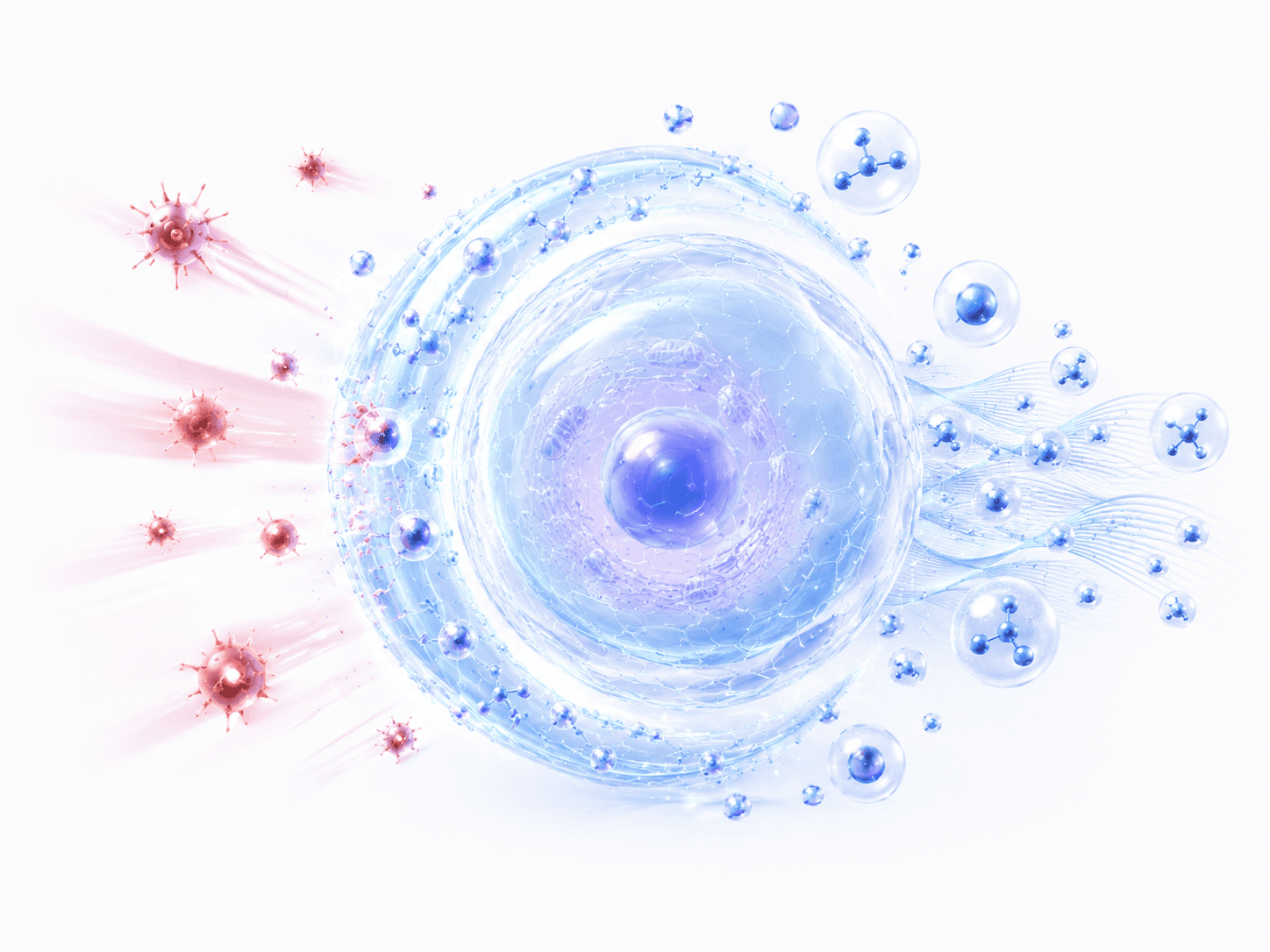
Mechanism pathway
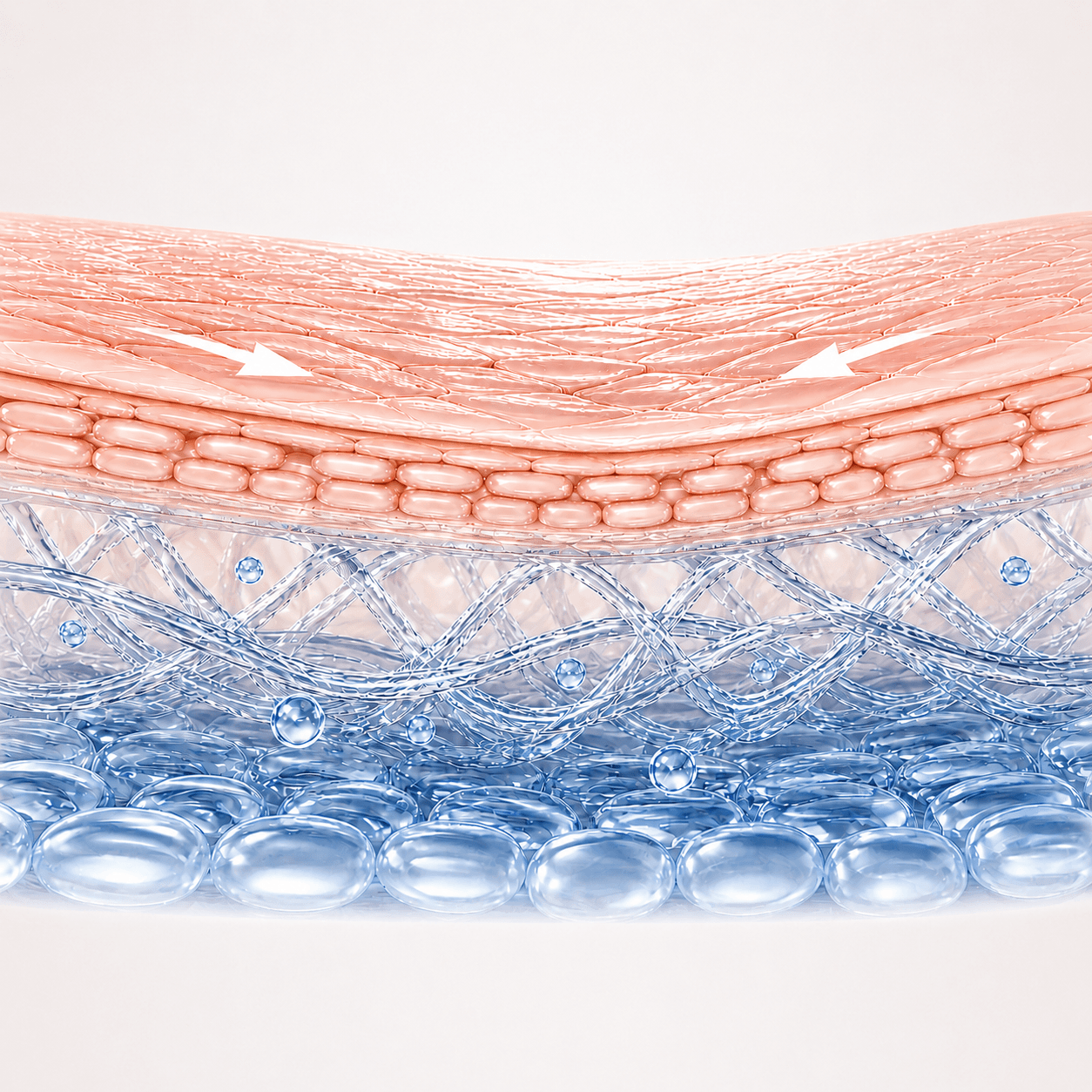
Focuses on the oxidative pressure brought by sun, late nights, air pollution and mental stress. Around ROS and oxidative-stress responses, observation of why skin shows dullness, fatigue, roughness and instability under increased external burden. Not stopping at the 'antioxidant' concept, but helping skin cope with external pressure and keep a balanced oxidative environment and stable quality.
Applicable scenarios
Mechanism pathway
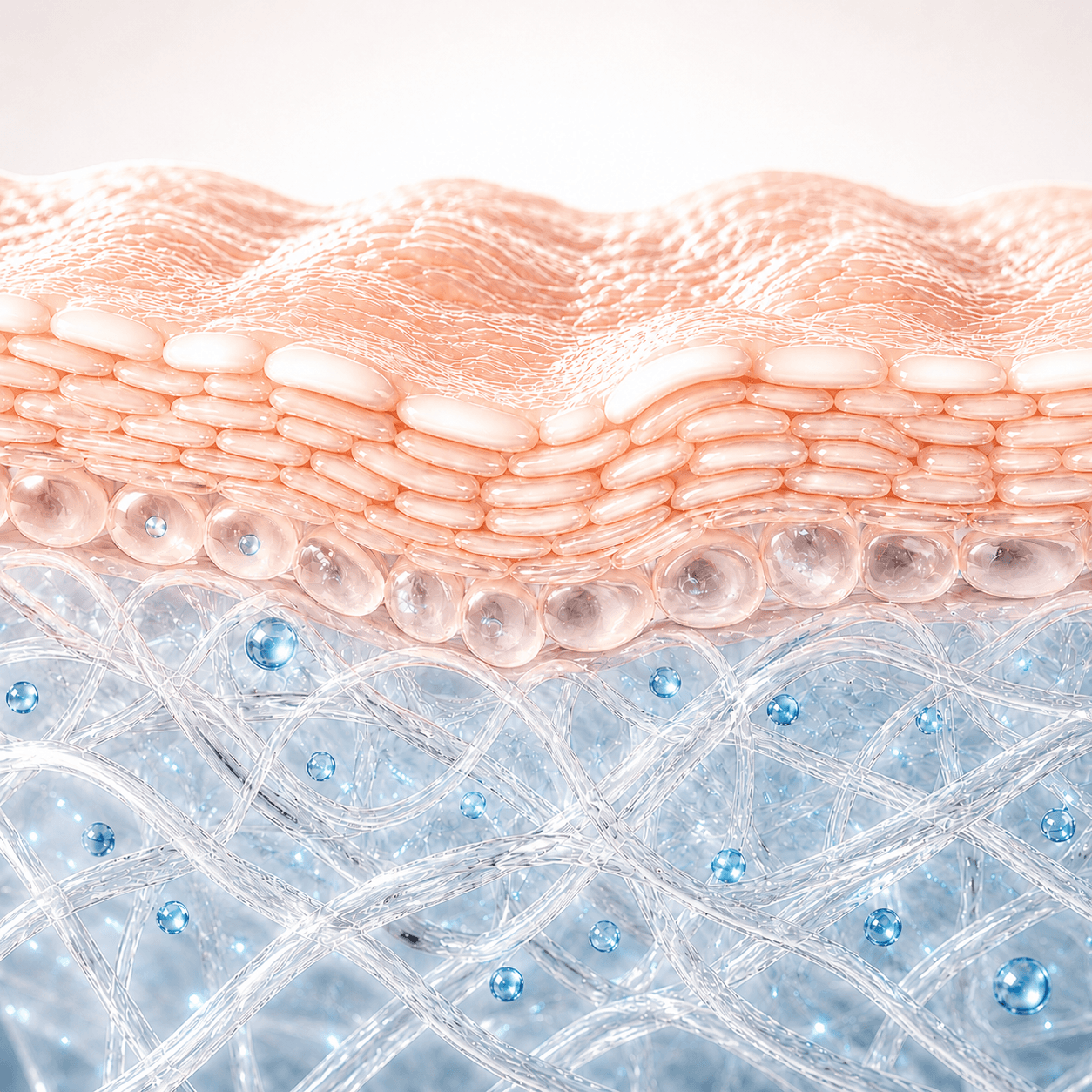
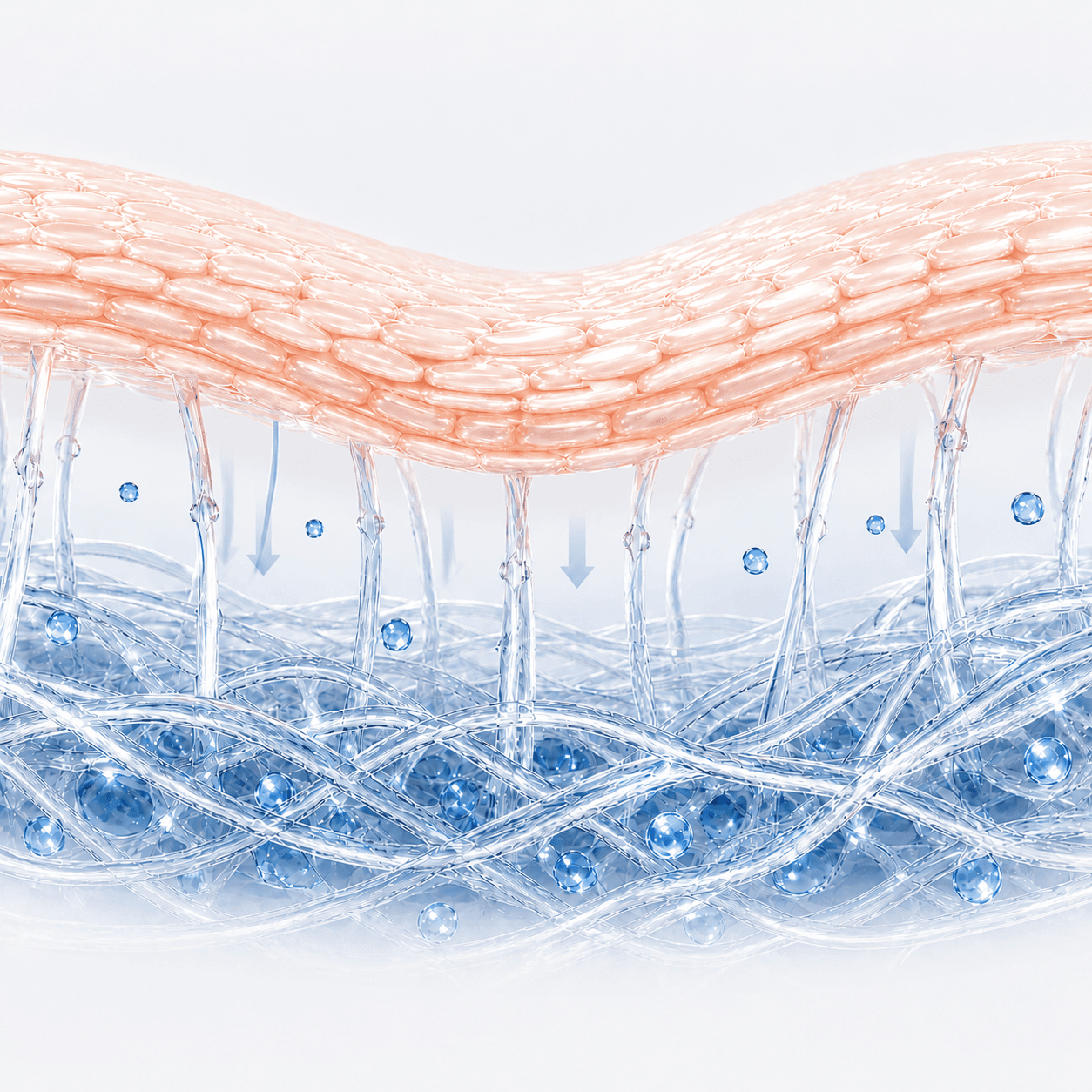
Focuses on two appearance features of youthful skin quality: elasticity and radiance. Around the relationships among elasticity-related state, water-retention and clarity, observation of why skin shifts from 'dewy and glowing' to 'dry, dull, slack, tired'. Not just temporarily brighter, but coordination across elasticity, hydration and radiance—for a plumper, more naturally glowing state.
Applicable scenarios
Mechanism pathway
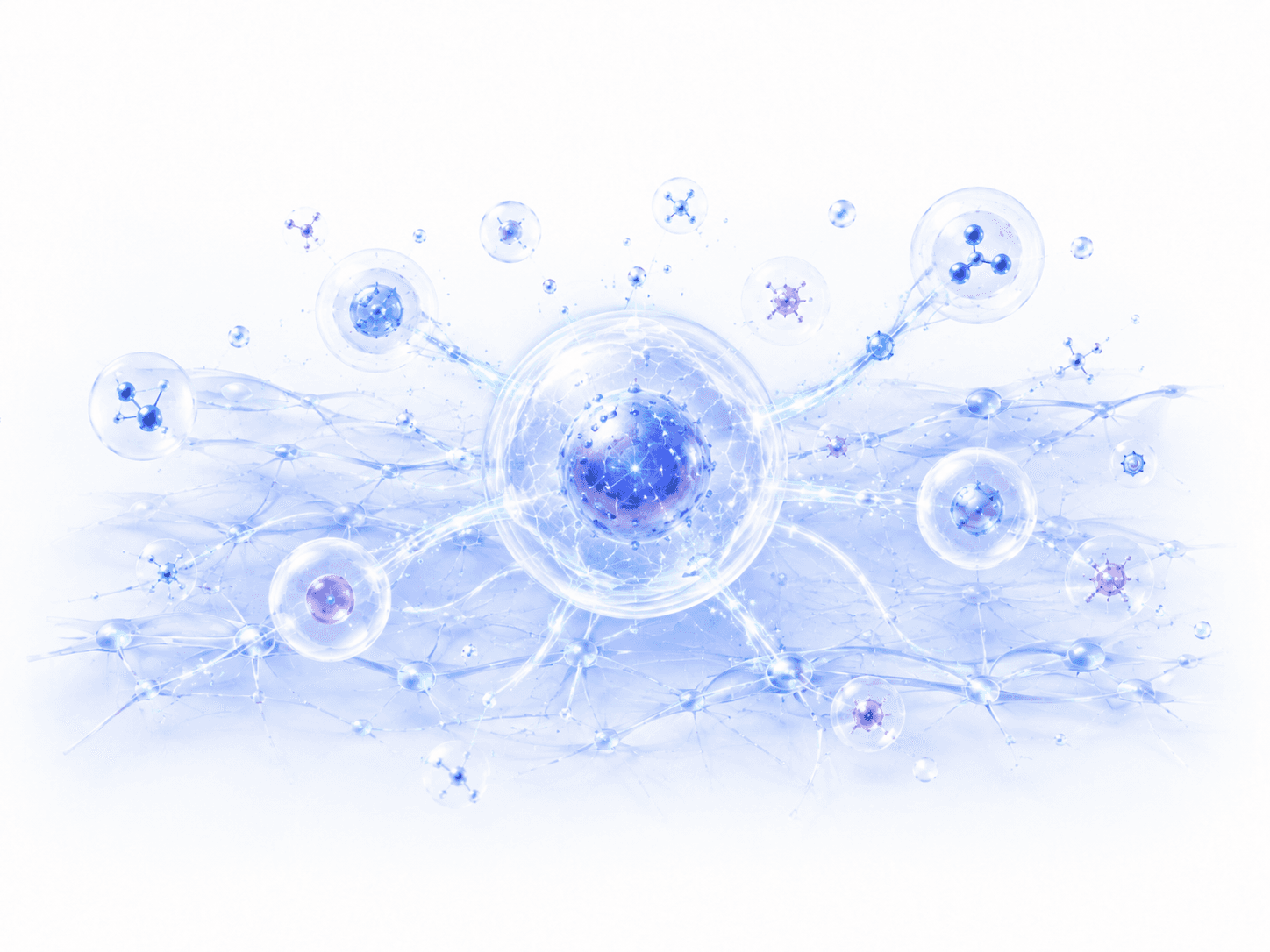
Holistic state management—focusing on skin features tied to rejuvenation. Around the connections between regenerative signals, evenness, fineness and overall youthful feel, observation of why skin shows roughness, looseness, dullness, stronger texture feel and less freshness. Not pursuing a single dimension, but supporting a coordinated youthful state across refinement, evenness, quality and overall vitality.
Applicable scenarios
Keywords: skin refinement, evenness, radiance, elasticity, rejuvenation presentation. For research-use biomaterials only—in vitro material evaluation and mechanism communication; not a claim of disease diagnosis, treatment, cure, prevention, or human clinical efficacy.
This product is a research-use biomaterial sample intended only for in vitro research, tissue-model evaluation, materials science, and formulation-development reference. Nothing herein constitutes diagnosis, treatment, cure, or prevention of any disease, nor a guarantee of results after consumer use. It is not a drug, not a medical device, not an aesthetic injectable, and not a finished cosmetic; it does not constitute lift, firm, wrinkle removal, anti-aging therapy, aesthetic-grade, or injection-grade claims. Terms such as glow, fineness, evenness, firmness, youthful state, and barrier are in vitro model research wording only, not human efficacy promises. For skin management or aesthetic contexts, follow qualified physicians; this product does not replace medical or aesthetic care. Intended users are research institutions and R&D personnel—not direct consumers.
Research Links
Explore the mechanism-research and applied-research pages directly associated with this material.
Partnership
For material procurement, professional program partnerships, or custom development inquiries, please contact us through our partnership channel.