AOWEISI
AOWEISI SKIN

Biological Material · Skin Management

AOWEISI SKIN

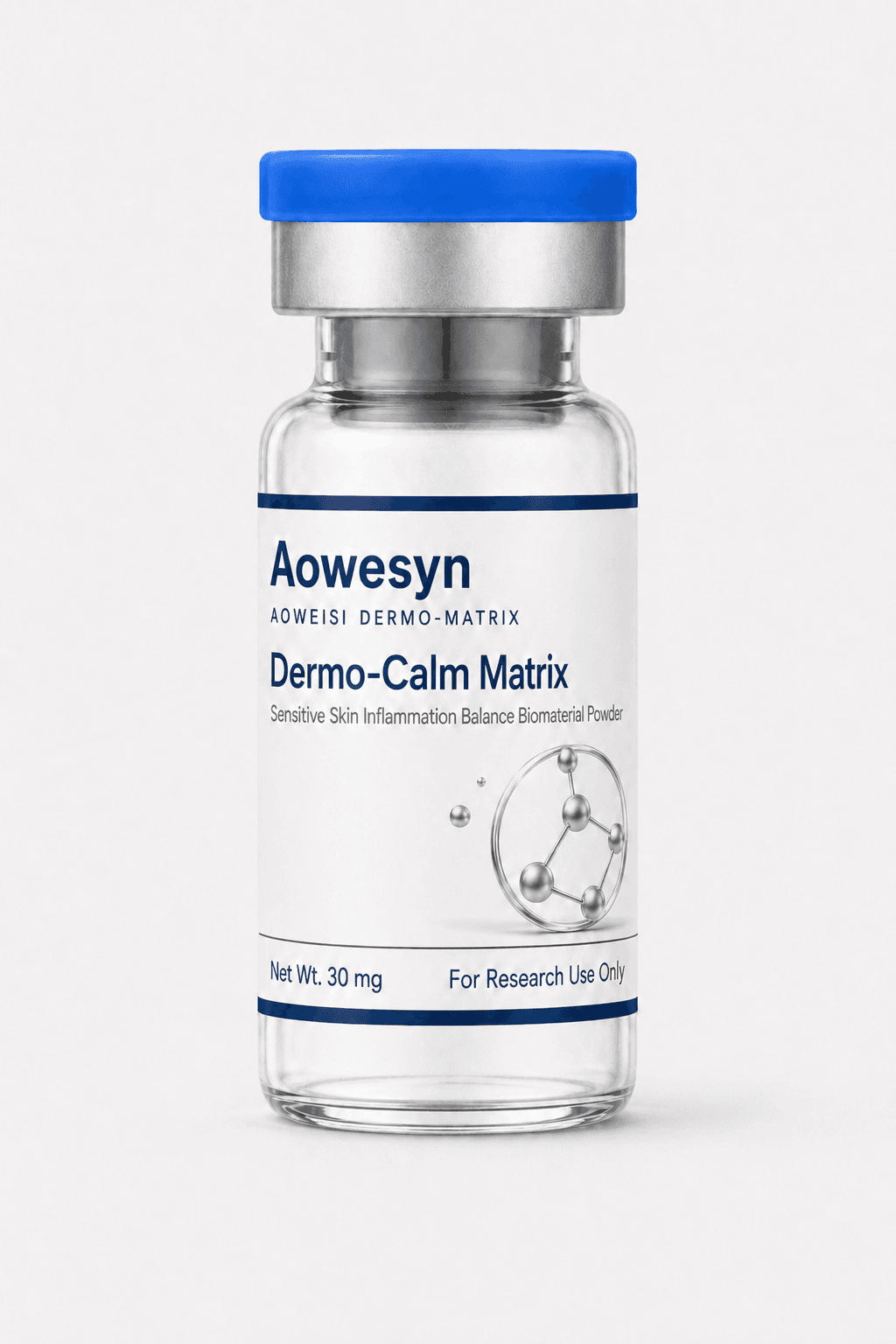
Dermo-Calm Matrix

Not conventional topical skincare, but a topical biomaterial framework for skin-microenvironment reconstruction.

Reference price: $280.00 / box

Buy Now

DiscountQuantityPrice
0%1 - 4$280.00
8% Off5 - 9$258.00
15% Off10 - 24$238.00
22% Off25+$218.00

Current Price

$280.00

/ set

Total: $280.00

1
SKUDERMO_CALM_MATRIXCategoryIntimate Care

Detailed Information

Vial spec

30 mg · lyophilized powder · Appearance: white to off-white cake

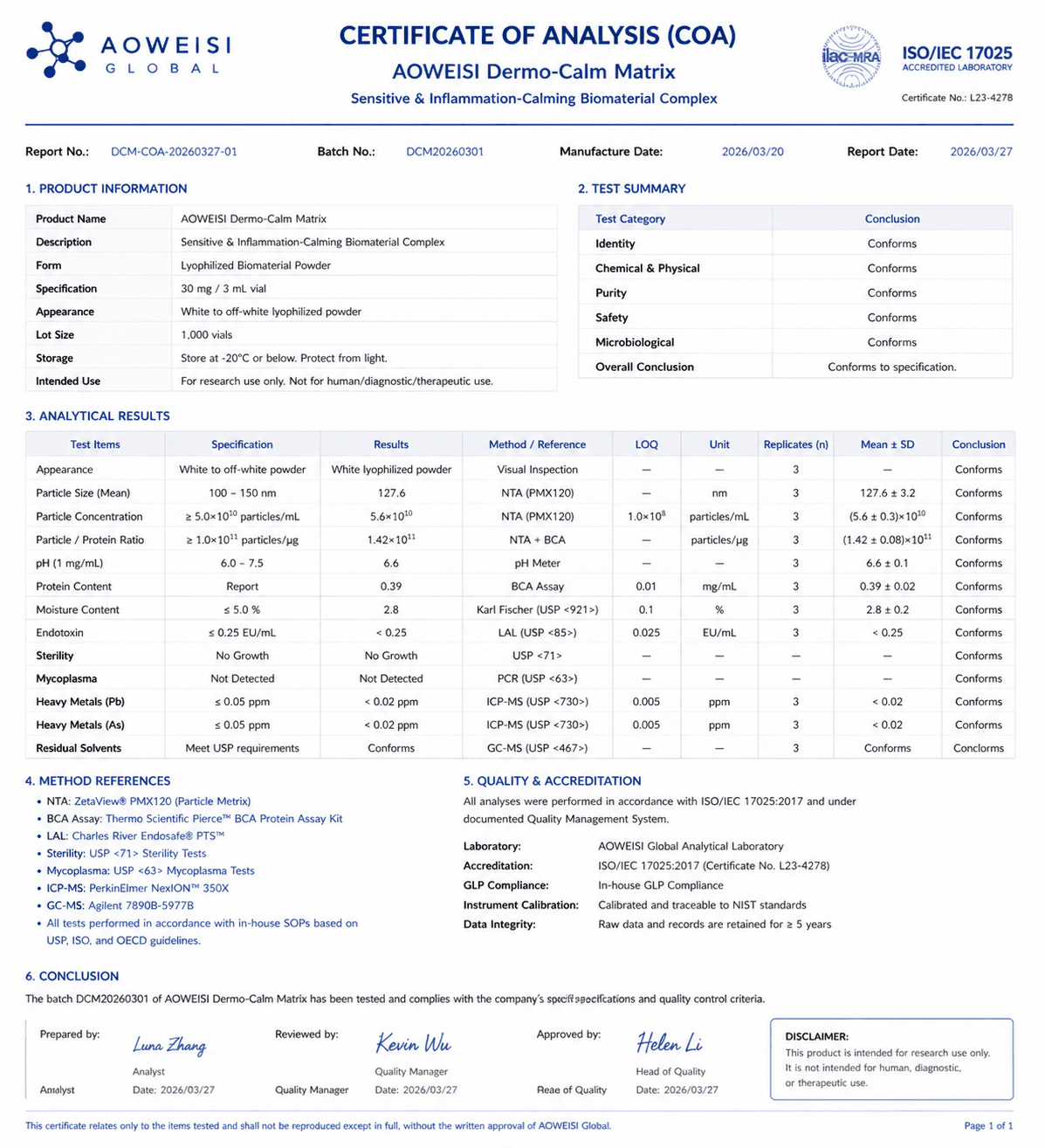
COA

No. DCM-COA-20260327-01 · Lot DCM20260301 · Mfg Mar 20, 2026 · Issued Mar 27, 2026

Size / concentration

Mean size 127.6 nm (spec 100–150 nm) · ~5.6×10¹⁰ particles/mL · Ratio 1.42×10¹¹ particles/µg

Protein / pH

Protein 0.39 mg/mL · pH (1 mg/mL) 6.6 (spec 6.0–7.5) · Moisture 2.8%

Endotoxin / metals

Endotoxin < 0.5 EU/mL · Pb/As < 0.02 ppm (spec ≤ 0.05 ppm)

Sterility / mycoplasma

Sterility: no growth · Mycoplasma: not detected · Residual solvents per USP · Conforms (ISO/IEC 17025, L23-4278)

Lab test image

Product Quality Confirmation Report

Confirms this batch's appearance, specifications, key components, physicochemical indicators and quality standards, ensuring the product meets release quality requirements.

Comparative Mapping

Product Differential Comparison Database

Shows product-specific differences versus traditional categories, including traditional logic, limitations, AOWEISI logic, and key differentiation.

Traditional Research Route

Traditional Research Route

Sensitive-skin repair serums, soothing-repair products, barrier-repair creams, anti-redness care products

Traditional Research Logic

Mainly centered on hydration, soothing, and barrier-lipid supplementation for surface-level sensitive-care management.

Traditional Research Limitations

Often remains at short-term surface soothing and barrier supplementation, with limited system-level expression for inflammatory-signal amplification, external-trigger response, and microenvironment imbalance.

Biomaterial Research Route

Research Direction of This Biomaterial

Focuses on sensitive-inflammatory skin microenvironment pathways across inflammatory-noise attenuation, barrier homeostasis, external-trigger response modulation, and low-inflammation state mapping.

Core Research Difference

Upgrades from ingredient-based soothing supplementation to signaling-oriented sensitive-inflammatory microenvironment research.

Research Mechanism Keywords

Inflammation noise attenuation, barrier homeostasis, external-trigger response, sensitive microenvironment, low-inflammation state

All content above is based on in vitro research, preclinical research, and biomaterial mechanism research, and does not constitute any promise of disease diagnosis, treatment, cure, prevention, or human clinical efficacy.
Research mechanisms and applicable scenarios

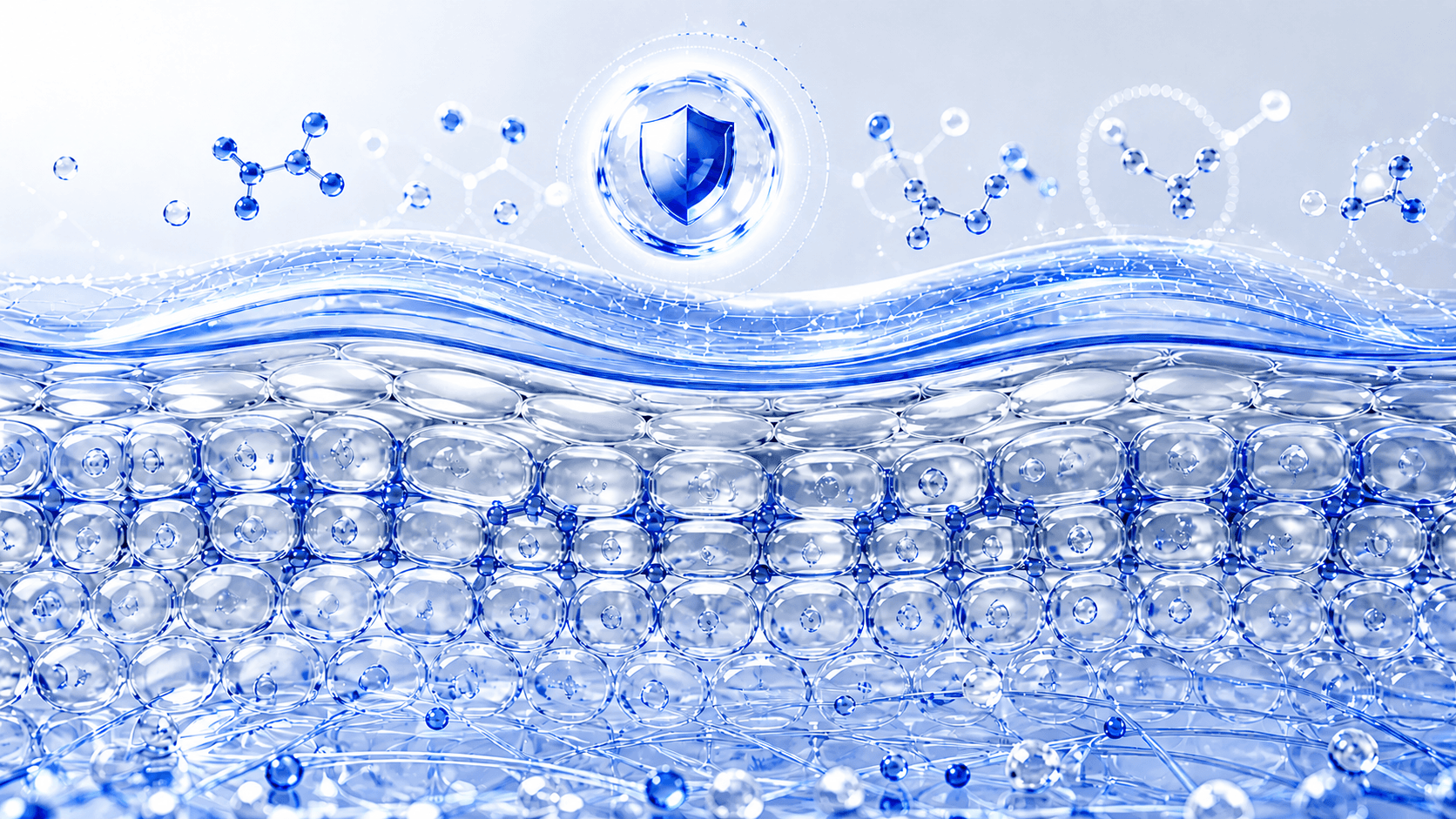
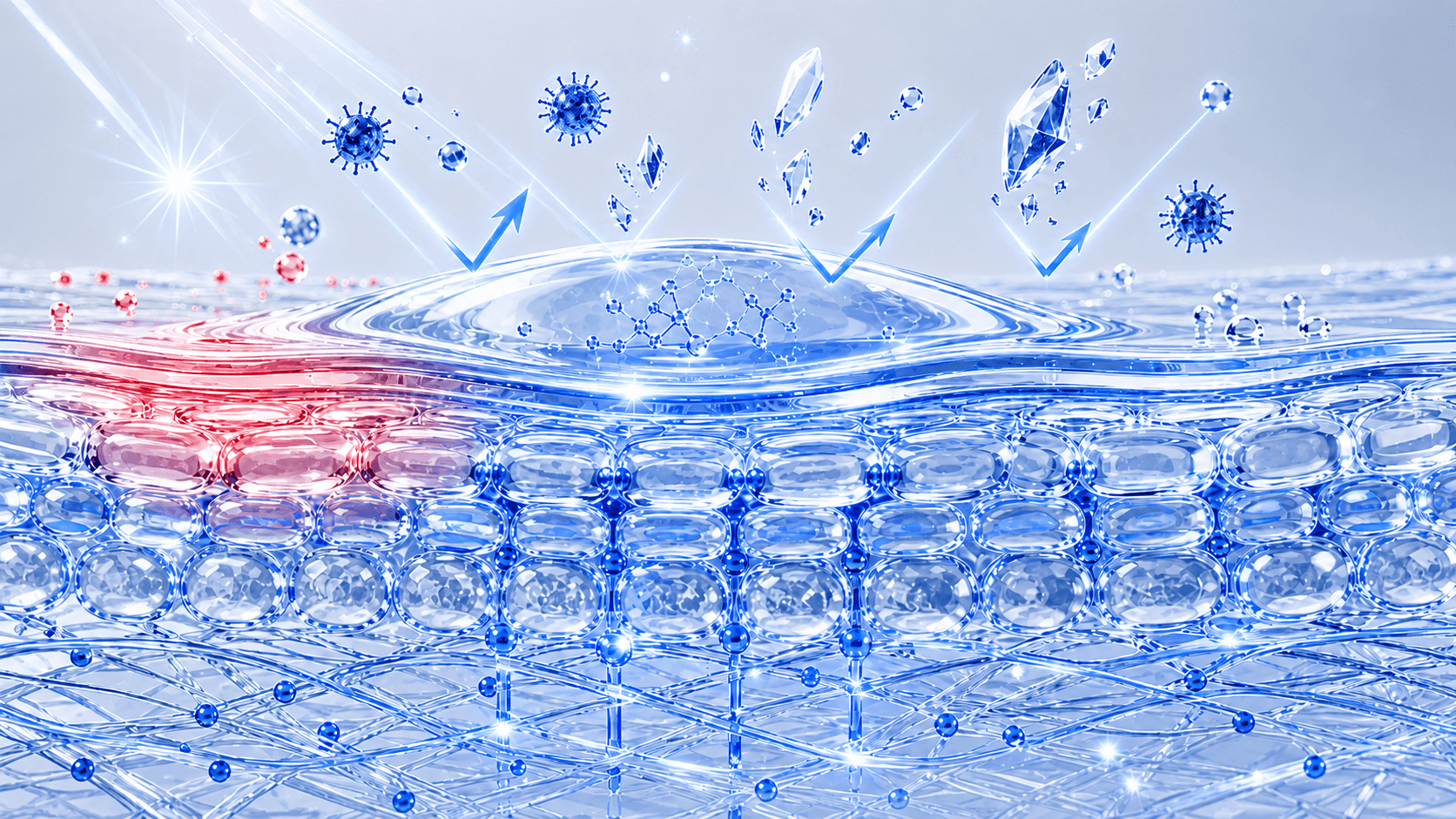
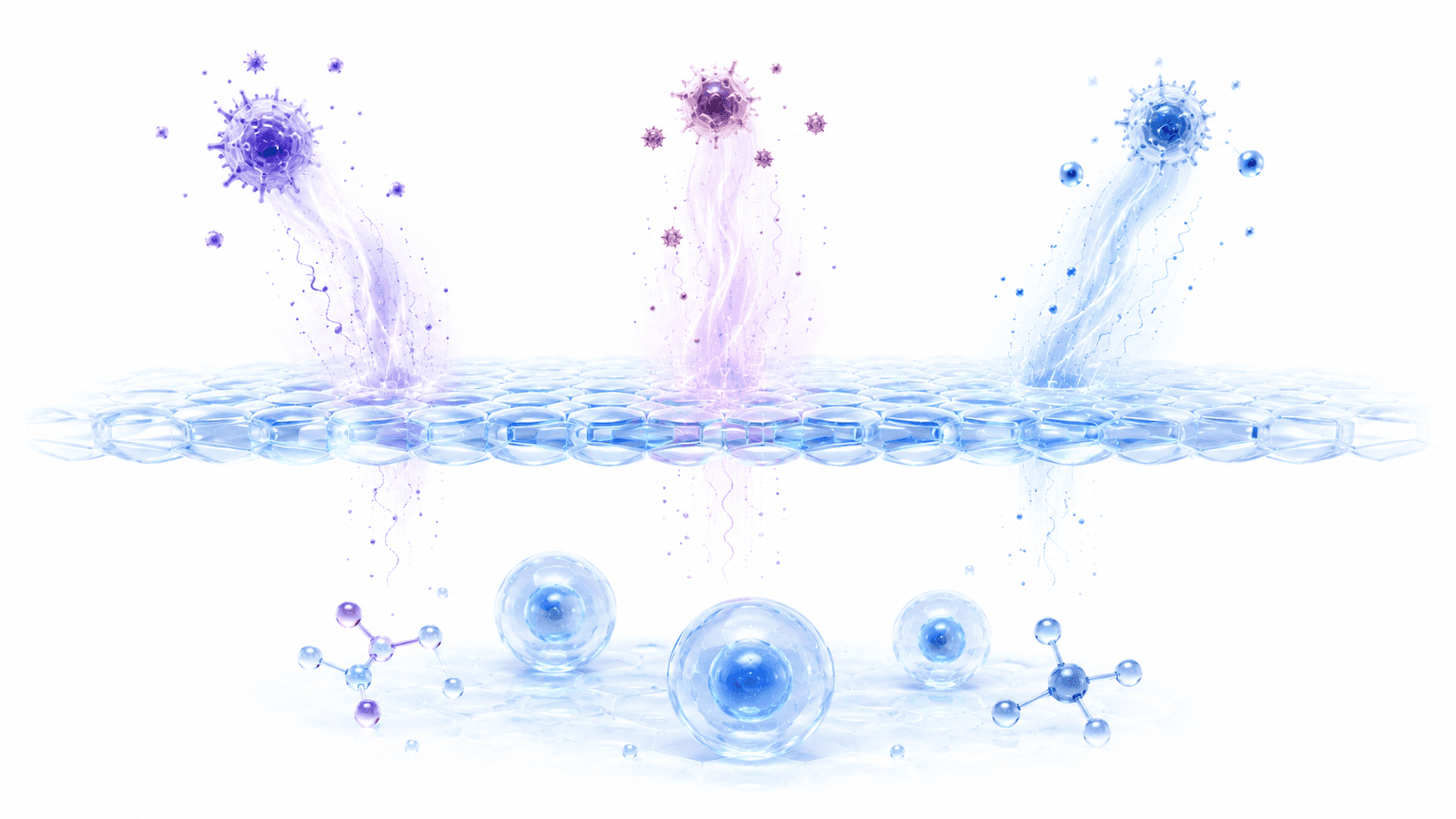
Illustration of in vitro signal pathway observation

Inflammatory signal noise attenuation research

Mechanism pathway

Focuses on NF-κB / TNF-α / IL-1β and related nodes to observe trends in signal activity after exogenous stimulation in in vitro cell models.

Applicable scenarios
  • In vitro research on redness-prone, sensitivity-type skin conditions
  • Signal-environment evaluation after barrier disturbance
  • Signal pathway observation after chemical or physical exogenous stimulation
NF-κBTNF-αIL-1β
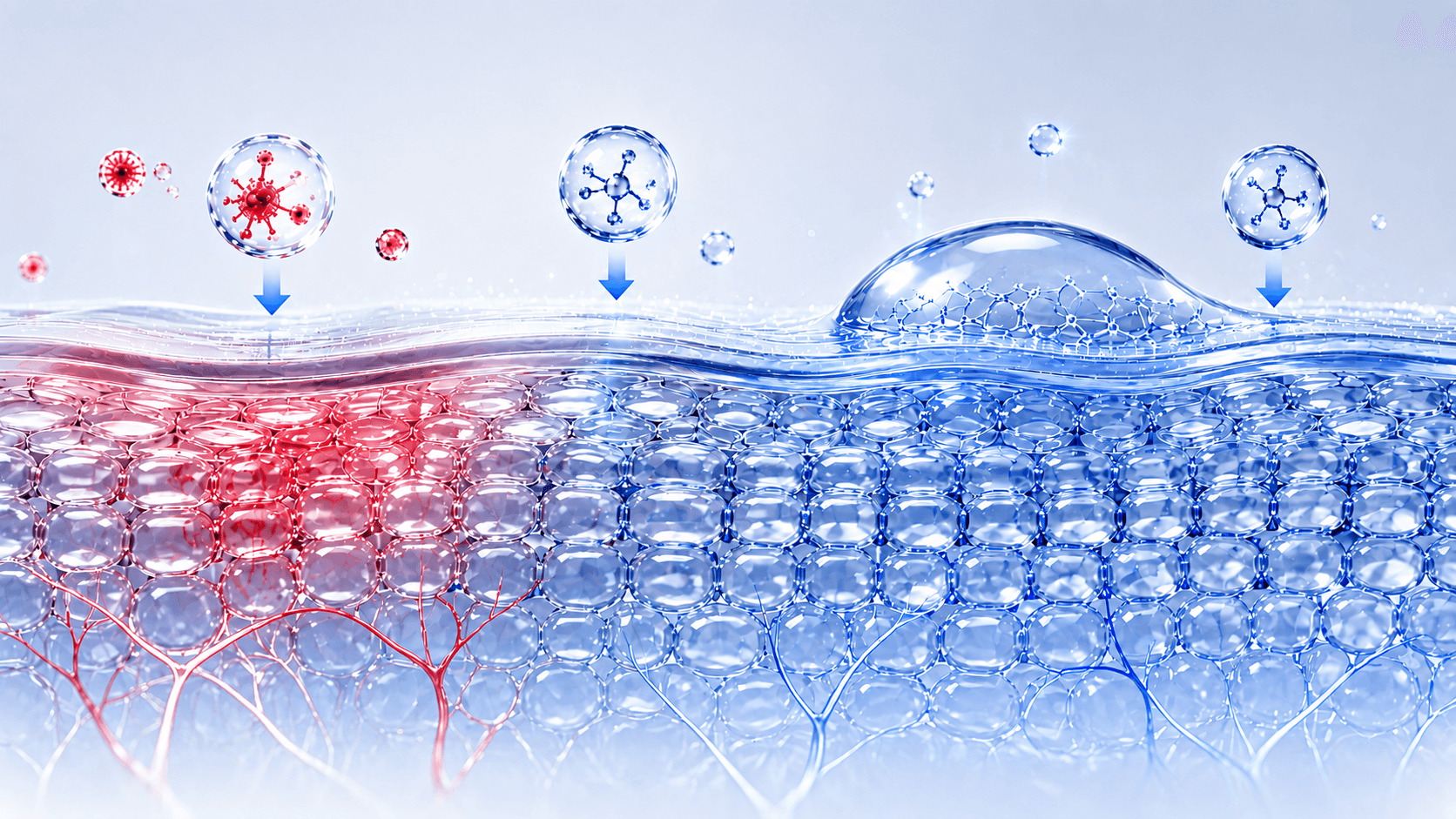
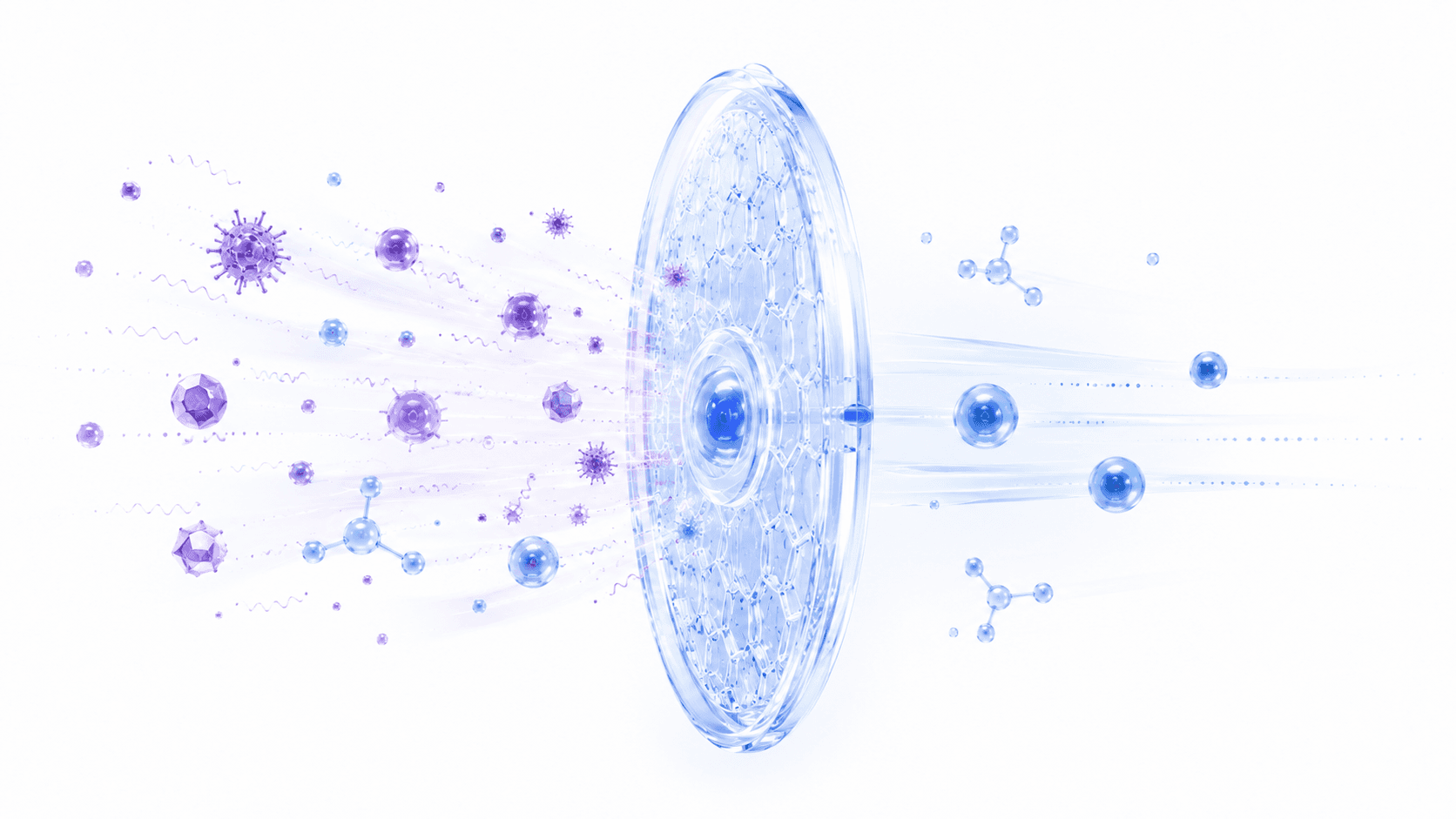
Illustration of exogenous stimulus–response loop modeling

Stimulus-response threshold research

Mechanism pathway

Models the process of exogenous stimulus → homeostatic perturbation → signal amplification to observe response intensity and threshold shifts under controlled in vitro conditions.

Applicable scenarios
  • Skin-condition research after abrupt seasonal temperature changes
  • In vitro evaluation during the post-aesthetic homeostatic transition
  • Mechanical stimulation models such as dryness, friction, or wind-blown sand
Irritation LoopThreshold
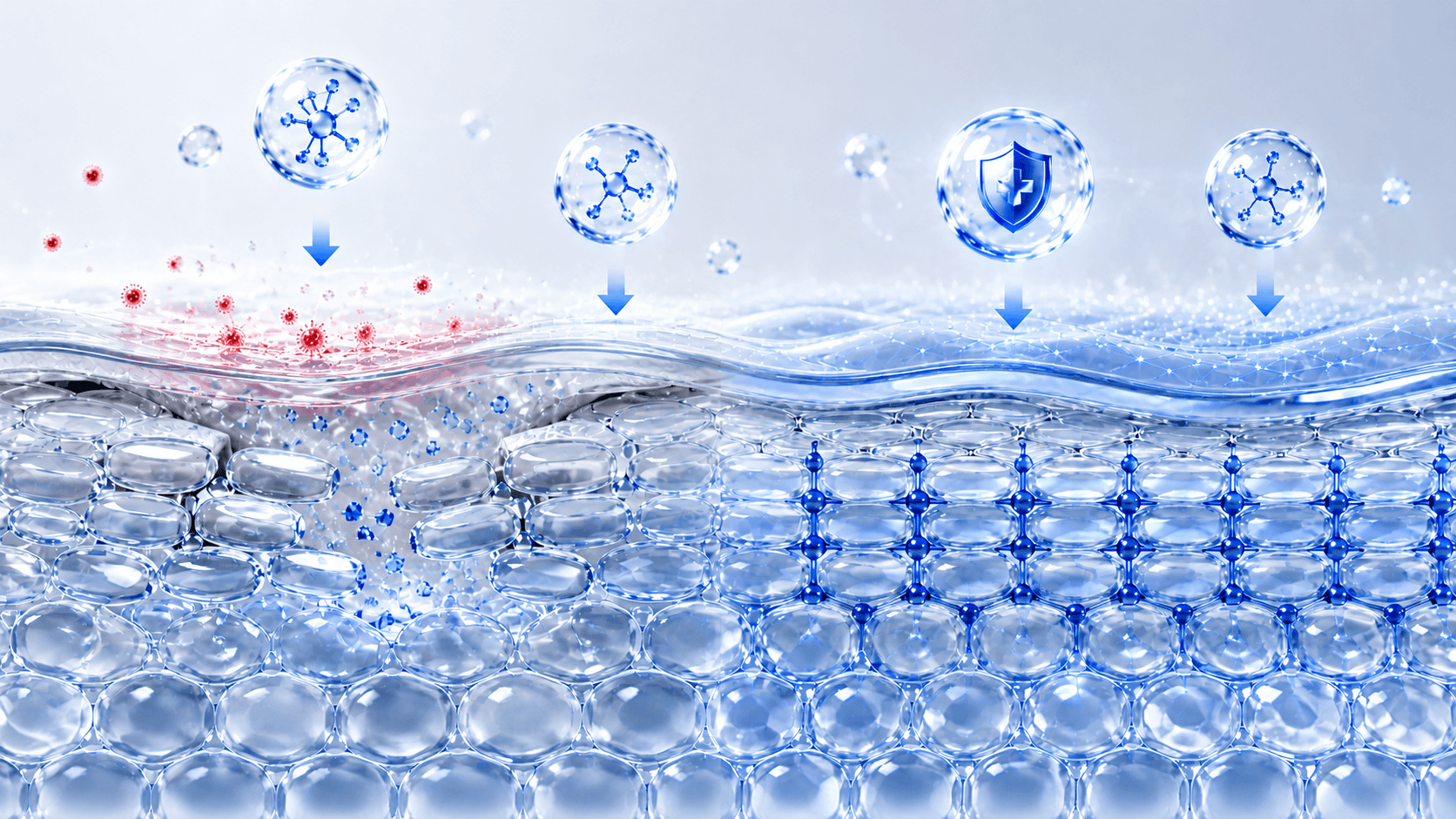
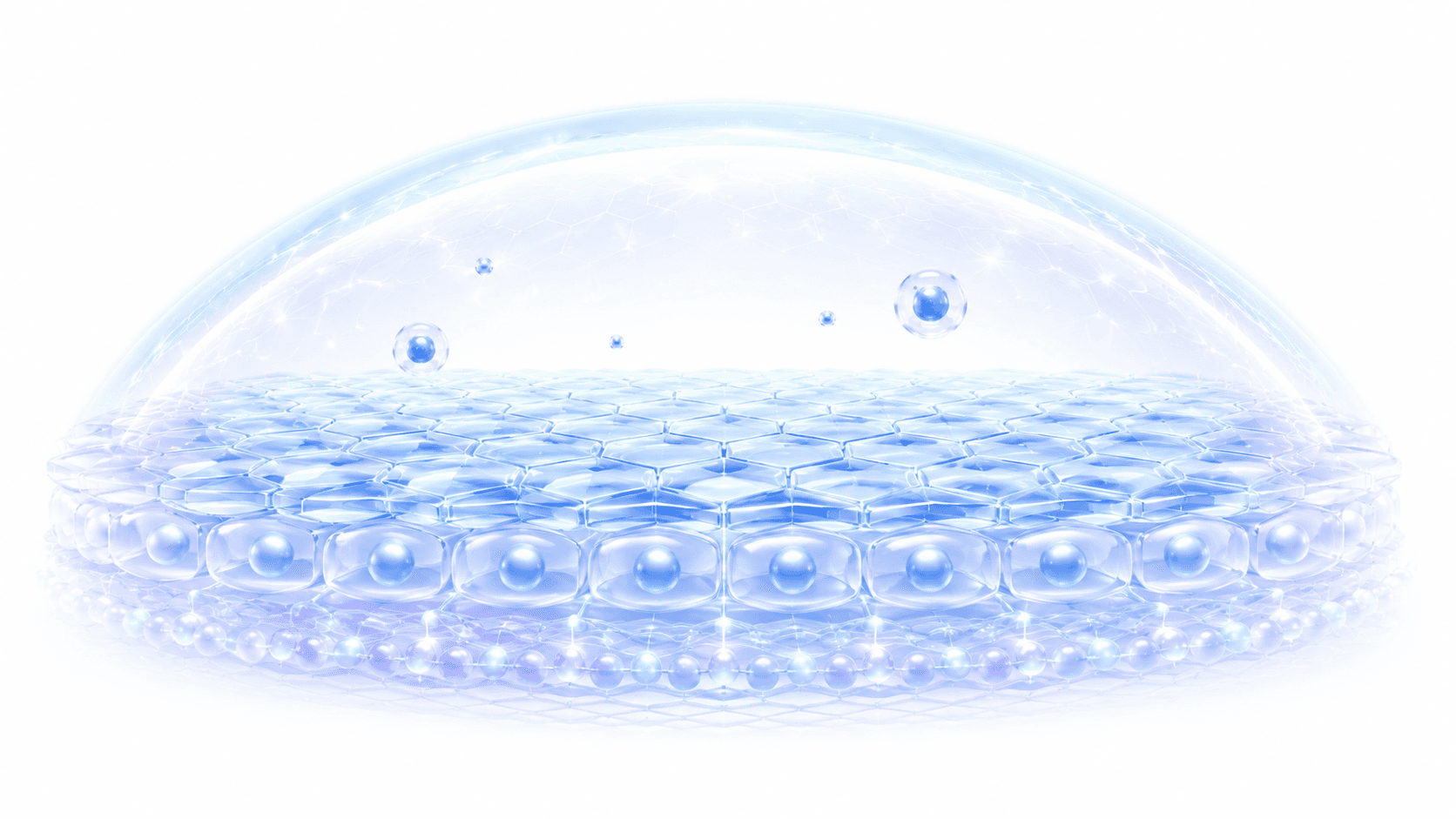
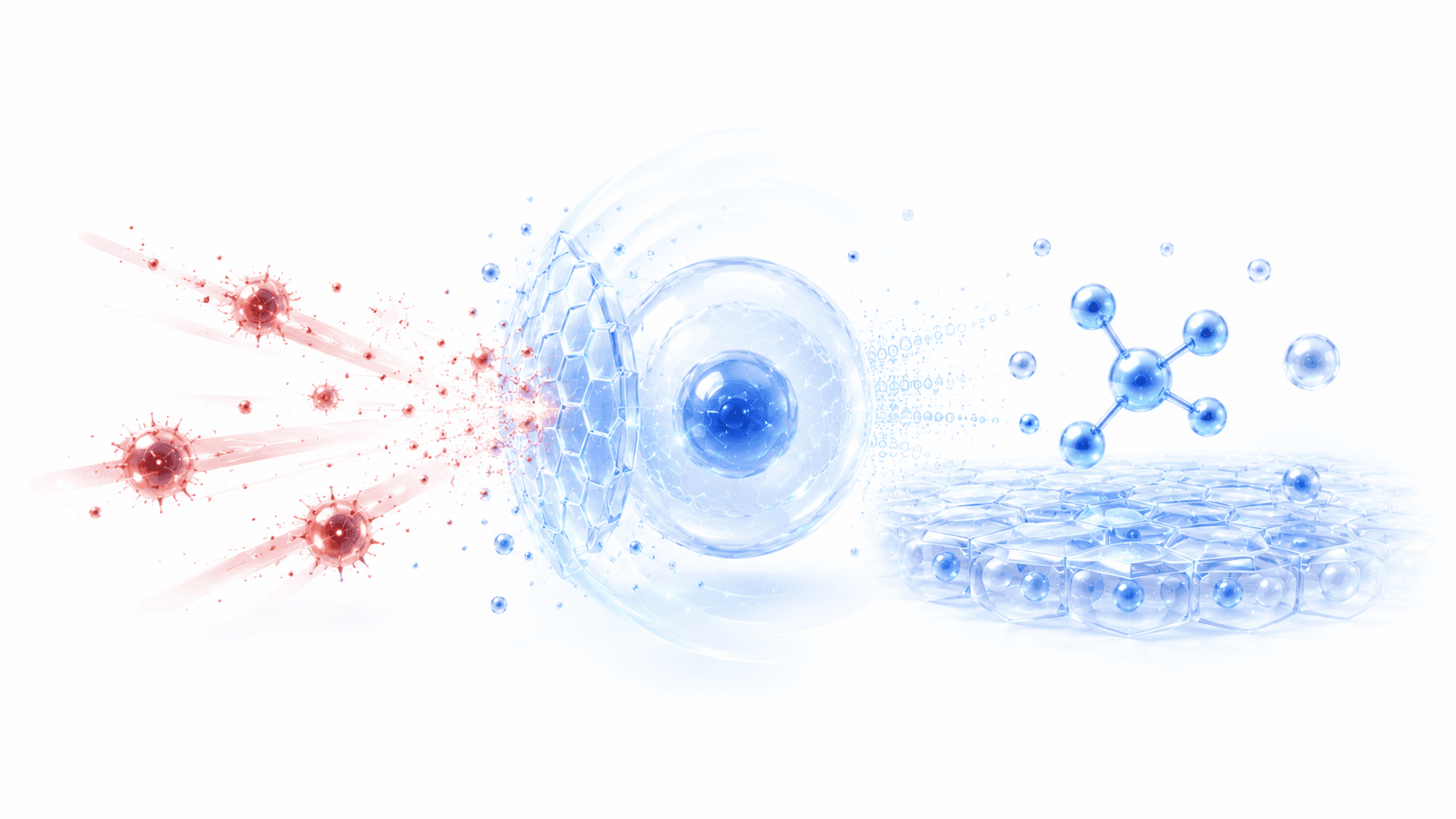
Illustration of epidermal barrier tight junction structure

Barrier homeostasis observation research

Mechanism pathway

Centers on barrier-structure markers such as KRT14 / CLDN1 / FLG to observe structural features of keratinization and tight junctions under in vitro conditions.

Applicable scenarios
  • In vitro structural observation for barrier-vulnerable skin conditions
  • Research models for stratum corneum integrity
  • Evaluation of topical materials for maintaining barrier structure
KRT14CLDN1FLG
Illustration of in vitro oxidative stress and antioxidant network evaluation

Oxidative stress buffering research

Mechanism pathway

Focuses on oxidative-stress nodes such as ROS / NRF2 / SOD / Catalase to observe dynamic shifts in the redox balance in in vitro cell models.

Applicable scenarios

  • Research models for oxidative load under light-exposure environments
  • In vitro evaluation under urban particulate stress
  • Observation of skin conditions under chronic oxidative pressure
ROSNRF2SOD/Catalase
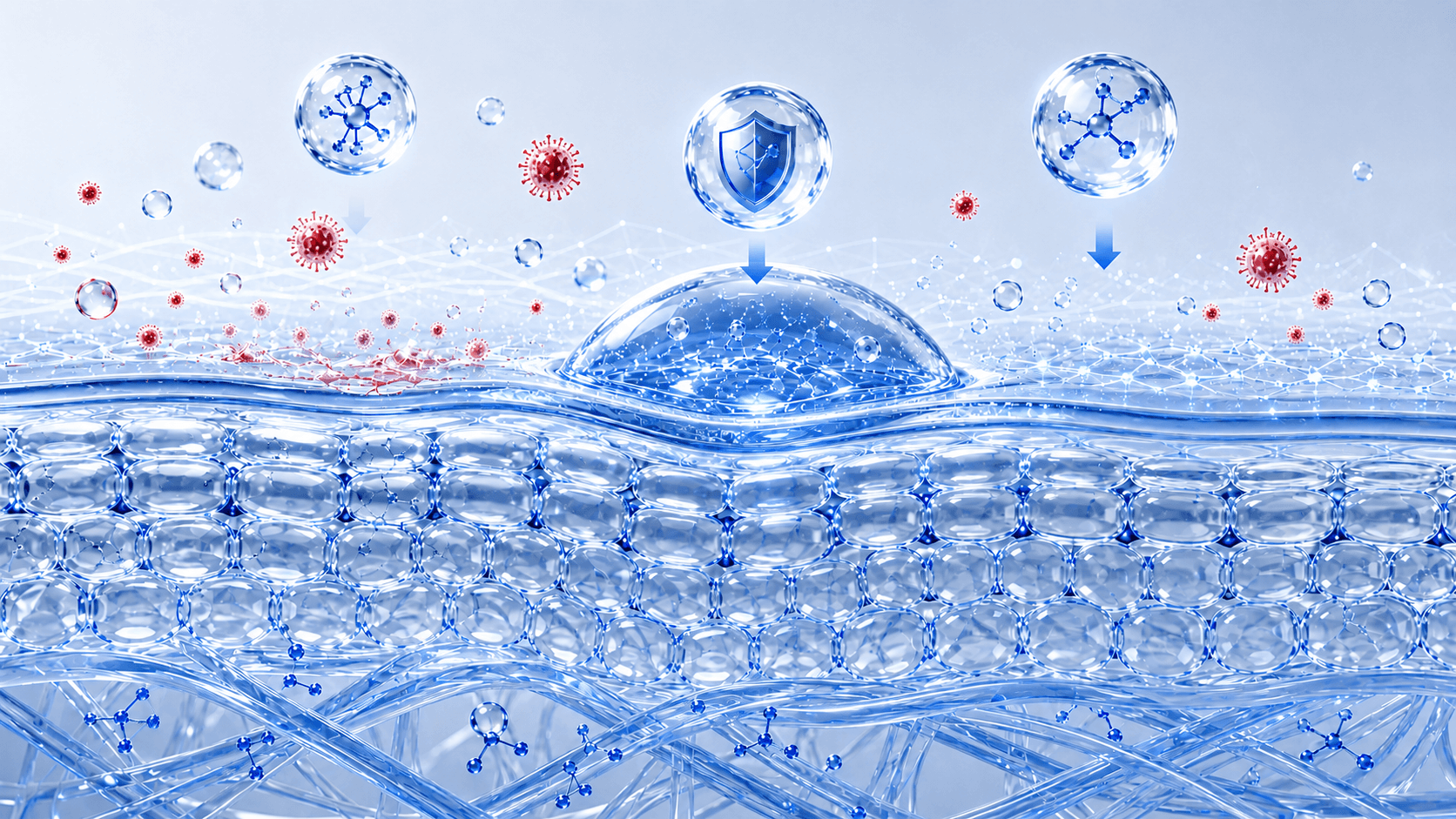
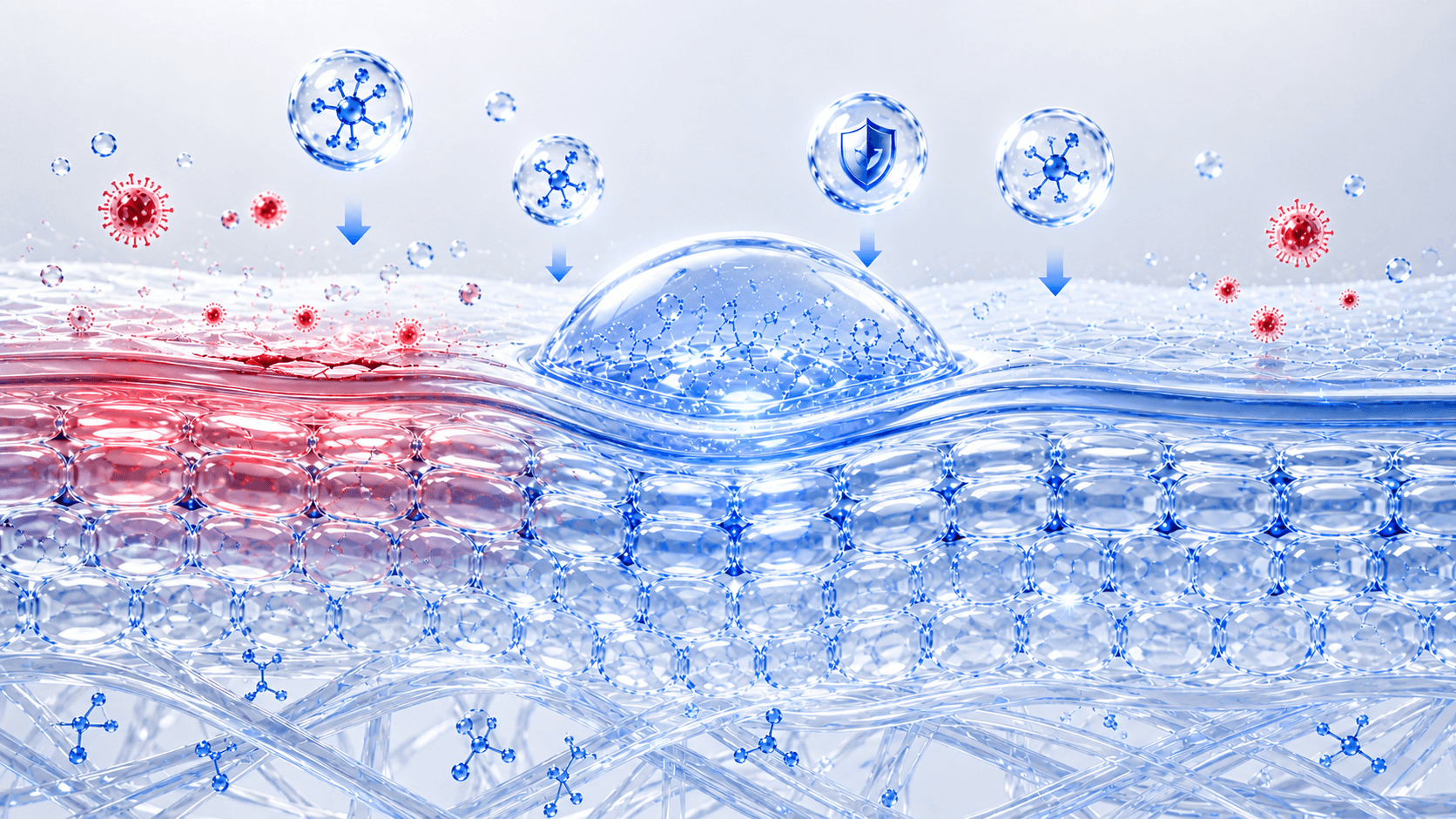
Illustration of skin microenvironment tolerance network structure

Microenvironment tolerance research

Mechanism pathway

Coordinates observation across signal environment, barrier matrix, and stimulus response to evaluate in vitro transitions from fluctuating states toward homeostatic tolerance.

Applicable scenarios

  • Holistic evaluation of highly sensitive, fluctuating skin conditions
  • Integrated observation models during homeostatic transition
  • In vitro tolerance research under stacked factors (barrier + stimulus + oxidation)
ToleranceHomeostasis

6 product functions & the issues they address

Plain-language framing
FunctionIssues addressed
01Soothing & stabilizingUnstable skin state, dryness, tightness, redness, mild discomfort
02Redness & heat-flare careEasy flushing, warmth, burning sensation, fluctuating state
03Itch & tingle soothingDry itch, tightness, mild stinging, restless discomfort
04Calm companionship during flare periodsSeason changes, post-cleansing, unstable states, barrier swings
05Thin & dry-sensitive careThin barrier, easy dryness/roughness, uncomfortable touch, fragility
06External-stimulus protectionSun exposure, AC wind, particulate friction, environmental stimuli
Research framing
Research targetPrimary action direction
Maintain low-fluctuation, comfortable surface stateSupport skin comfort and stable expression
Focus on gentle response to external stimuliMaintain skin calm, reduce redness and heat perception
Soften stimulus response during fragile periodsMaintain comfort, reduce restless discomfort
Support gentle accompaniment during fluctuating periodsMaintain barrier balance, help skin transition smoothly
Focus on hydration maintenance and soft touchImprove softness, help maintain delicate comfort
Focus on surface homeostasis and environmental adaptationSupport stable expression under external stimuli
R&D logic keywords
Multi-target Synergy
Biocompatibility & Targeted Delivery
Evidence-based Validation
Safety & Gentle Priority
Scenario 1 | Soothing care when skin feels unstable
Soothing care when skin feels unstable

· Suitable states

Season shifts, late nights, post-cleansing or environmental changes—skin can feel dry, tight, flushed, or slightly uncomfortable, with on-and-off days.

· Core focus

Focuses on comfort and stability of the skin under everyday environmental changes.

· What you might notice

Skin feels softer, finer, and more comfortable; tightness is less noticeable; makeup sits more evenly.

Research statement

  • Modulate immune response and reduce inflammatory factor expression
  • Strengthen barrier protein expression and improve barrier integrity
  • Optimize water storage and transport, maintaining hydration balance

Individual experiences vary; not a promise of fixed outcomes.

Scenario 2 | Soothing care when skin flushes and feels hot
Soothing care when skin flushes and feels hot

· Suitable states

Temperature swings, late nights, sun exposure or external stimuli can leave skin red, warm or hot, looking less calm than usual.

· Core focus

Focuses on the redness, warmth and state fluctuation after external stimulation.

· What you might notice

Less likely to flush or heat up suddenly; tone reads more even; overall feel more refreshed and steady.

Research statement

  • Inhibit inflammation signaling pathways and lower inflammatory factor levels
  • Counter oxidative stress, scavenge free radicals, reduce oxidative damage
  • Stabilize microcirculation to help maintain skin's physiological balance

Individual experiences vary; not a promise of fixed outcomes.

Scenario 3 | Soothing care when skin feels dry, itchy and tight
Soothing care when skin feels dry, itchy and tight

· Suitable states

Season shifts, post-cleansing, dry environments or external stimuli can leave skin dry, tight, slightly itchy—states that easily come back.

· Core focus

Focuses on comfort and stability during fragile and fluctuating periods.

· What you might notice

Less prone to tightness, itch or restlessness; texture feels softer; daily skincare feels lighter.

Research statement

  • Strengthen barrier function and reduce water loss
  • Modulate sensory nerve responses and lower itch signals
  • Calm inflammatory stimuli and improve tolerance

Individual experiences vary; not a promise of fixed outcomes.

Scenario 4 | Soothing care when skin becomes sensitive at season change
Soothing care when skin becomes sensitive at season change

· Suitable states

After season shifts, intensive routines or changes in cleansing habits, when skin feels tight, dry, flushed or unstable—suited to low-burden soothing care.

· Core focus

Focuses on hydration balance and surface stability during fluctuating periods, helping skin gradually return to a more comfortable, low-fluctuation state rather than seeking fast change.

· What you might notice

Tightness eases more readily; skin gradually feels softer, more supple and stable, with less discomfort during daily routines.

Research statement

  • Modulate stratum corneum hydration gradient and maintain surface water balance
  • Support stable lipid arrangement and reduce barrier-fluctuation perception
  • Foster a low-burden soothing environment to help skin keep a steady rhythm

Individual experiences vary; not a promise of fixed outcomes.

Scenario 5 | Soothing care when skin gets dry and flaky
Soothing care when skin gets dry and flaky

· Suitable states

For daily care of thin stratum corneum, easy dryness, flaking, fine peeling, or skin that easily feels tight after skincare.

· Core focus

Focuses on synergy between surface hydration and barrier state, keeping the skin surface softer and smoother, reducing the roughness brought by dryness.

· What you might notice

Hydration is more noticeable; surface feels finer and smoother to the touch; dryness and flaking are met more gently.

Research statement

  • Optimize stratum corneum water reserves and improve surface suppleness
  • Maintain orderly lipid arrangement to support barrier integrity
  • Improve the surface microenvironment to help skin stay supple and steady

Individual experiences vary; not a promise of fixed outcomes.

Scenario 6 | Soothing care when skin is exposed to external stimuli
Soothing care when skin is exposed to external stimuli

· Suitable states

After sun, AC wind, dust, mask friction or environmental switches, when skin tends to feel dry, tight, flushed or uncomfortable—suited to daily stabilizing care.

· Core focus

Focuses on the buffering feel and stable expression of skin against external stimuli, helping reduce state swings and keeping a low-fluctuation, comfortable care experience.

· What you might notice

Skin stays more comfortable across environmental changes; tightness, dry itch or discomfort is more easily met with calm, and overall feel reads steadier.

Research statement

  • Modulate the threshold of surface stress response and reduce sensitivity-signal swings
  • Support barrier continuity to reduce discomfort caused by external stimuli
  • Maintain a low-inflammation microenvironment to help skin stay stable

Individual experiences vary; not a promise of fixed outcomes.

This product is a research-use biomaterial sample intended only for in vitro research, materials evaluation, and formulation development reference. Nothing herein constitutes diagnosis, treatment, cure, or prevention of any disease, nor a guarantee of results after consumer use. For clinical, aesthetic-medicine, or dermatologic disease management contexts, follow qualified physician or pharmacist guidance.

Partnership

Discuss Professional Partnership

For material procurement, professional program partnerships, or custom development inquiries, please contact us through our partnership channel.