AOWEISI
AOWEISI SKIN

Biological Material · Skin Management

AOWEISI SKIN

Axis-Breath Matrix

Not conventional nasal care, but a biomaterial system for respiratory-mucosal immune homeostasis and trans-barrier research.

Reference price: $220.00 / box

Buy Now

DiscountQuantityPrice
0%1 - 4$220.00
8% Off5 - 9$202.00
15% Off10 - 24$187.00
22% Off25+$172.00

Current Price

$220.00

/ set

Total: $220.00

1
SKUAXIS_BREATH_MATRIXCategoryIntimate Care

Detailed Information

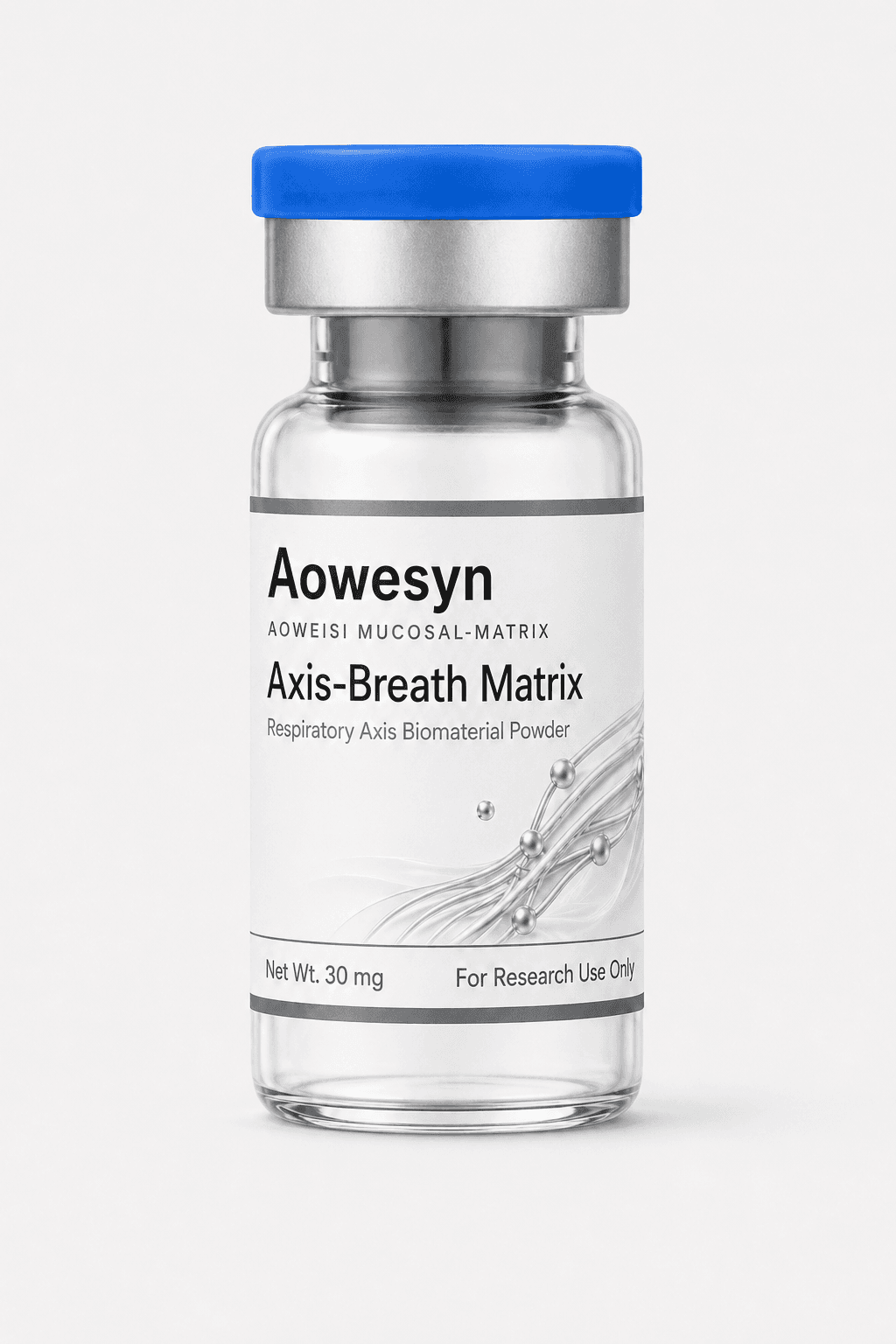
Vial spec

30 mg · lyophilized powder · Appearance: white to off-white cake

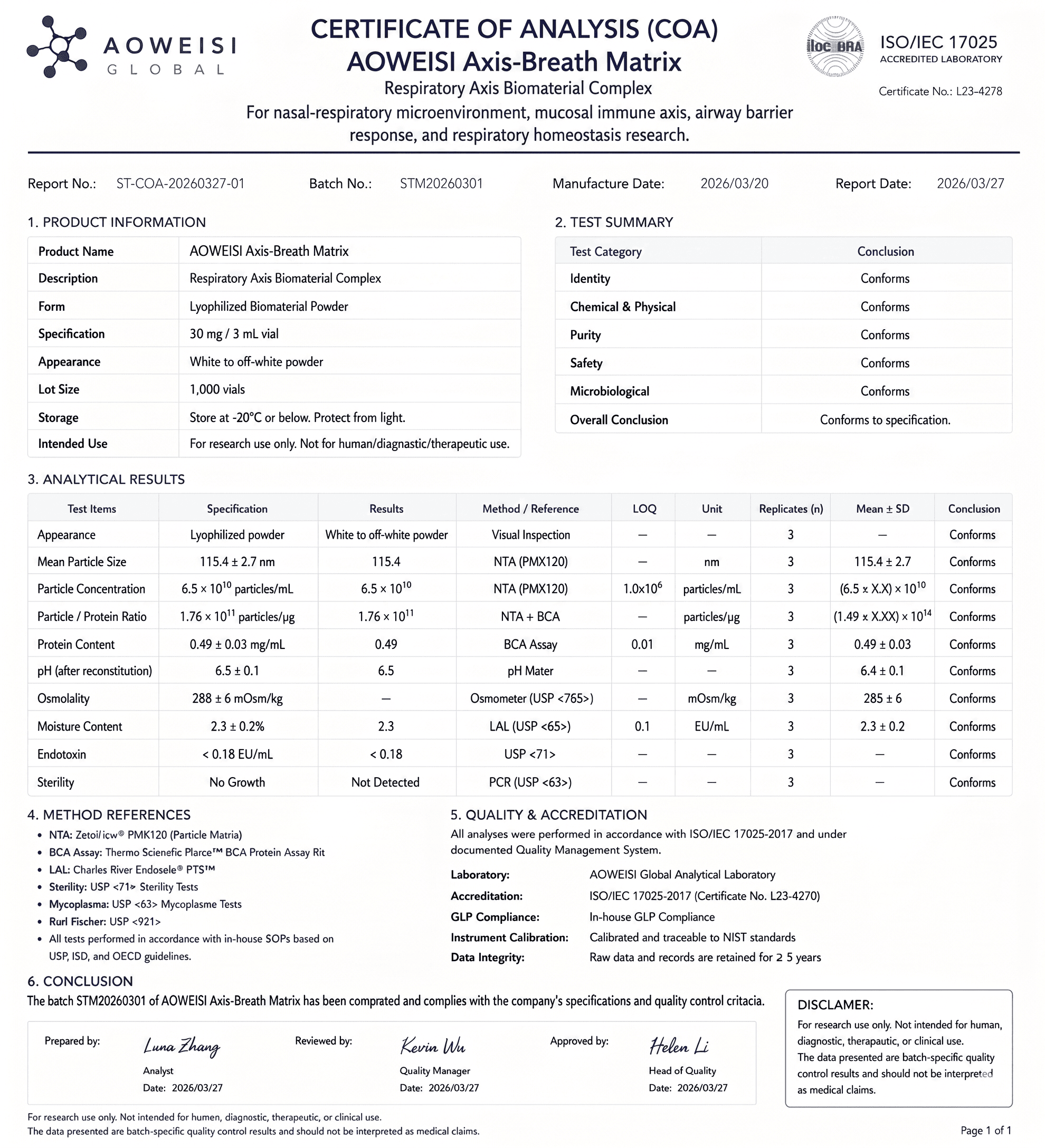
COA

No. ABM-COA-20260327-01 · Lot ABM20260301 · Mfg Mar 20, 2026 · Issued Mar 27, 2026

Size / concentration

Mean size 115.4 nm (spec 100–150 nm) · ~6.5×10¹⁰ particles/mL · Ratio 1.55×10¹¹ particles/µg

Protein / pH

Protein 0.49 mg/mL · pH (1 mg/mL) 6.5 (spec 6.0–7.5) · Moisture 2.4%

Endotoxin / metals

Endotoxin < 0.25 EU/mL · Pb/As < 0.02 ppm (spec ≤ 0.05 ppm)

Sterility / mycoplasma

Sterility: no growth · Mycoplasma: not detected · Residual solvents per USP · Conforms (ISO/IEC 17025, L23-4278)

Lab test image

Product Quality Confirmation Report

Confirms this batch's appearance, specifications, key components, physicochemical indicators and quality standards, ensuring the product meets release quality requirements.

Comparative Mapping

Product Differential Comparison Database

Shows product-specific differences versus traditional categories, including traditional logic, limitations, AOWEISI logic, and key differentiation.

Traditional Research Route

Traditional Research Route

Standard nebulization liquids, nasal sprays, respiratory care products, local nasal care protocols.

Traditional Research Logic

Traditional respiratory care mostly centers on local nasal or airway care—moisturizing, cleansing, easing dryness and reducing discomfort after external stimuli—to make the nose or airway feel temporarily more comfortable.

Traditional Research Limitations

Conventional thinking mostly stays at local, surface-level care. It often lacks a systematic framework for why nasal and breathing states keep fluctuating after dry air, dust, odors, seasonal shifts or environmental change, and how nasal-mucosal barrier, external-trigger response and overall breathing state interrelate.

Biomaterial Research Route

Research Direction of This Biomaterial

Focuses on the interplay among the nasal area, airway and overall state of the respiratory system—studying the relationship across nasal-mucosal barrier, external-trigger response, breathing comfort and cross-axis synergy, to help maintain a more stable, smoother, lower-burden daily breathing microenvironment. Building on AOWEISI's T-cell-derived immune-regulatory signals combined with synthetic-biology exosome nasal-spray research, the framework explores a more systematic respiratory cross-axis care logic.

Core Research Difference

Traditional respiratory care mostly stays at 'a quick rinse, some moisture, a bit of local care'; AOWEISI focuses on why nasal and breathing states keep being uncomfortable after dry air, dust, odors, seasonal shifts or external stimuli, and how a more systematic biomaterial care approach can help maintain a more stable, comfortable daily breathing state.

Research Mechanism Keywords

Respiratory microenvironment, nasal-mucosal barrier, external-trigger response, cross-axis synergy, low-reactivity state, daily respiratory care.

All content above is based on in vitro research, preclinical research, and biomaterial mechanism research, and does not constitute any promise of disease diagnosis, treatment, cure, prevention, or human clinical efficacy.
Breathing comfort and material context

Trans-mucosa material behavior and boundaries

Trans-mucosal materials context (non-pharmacological)

Mechanism pathway

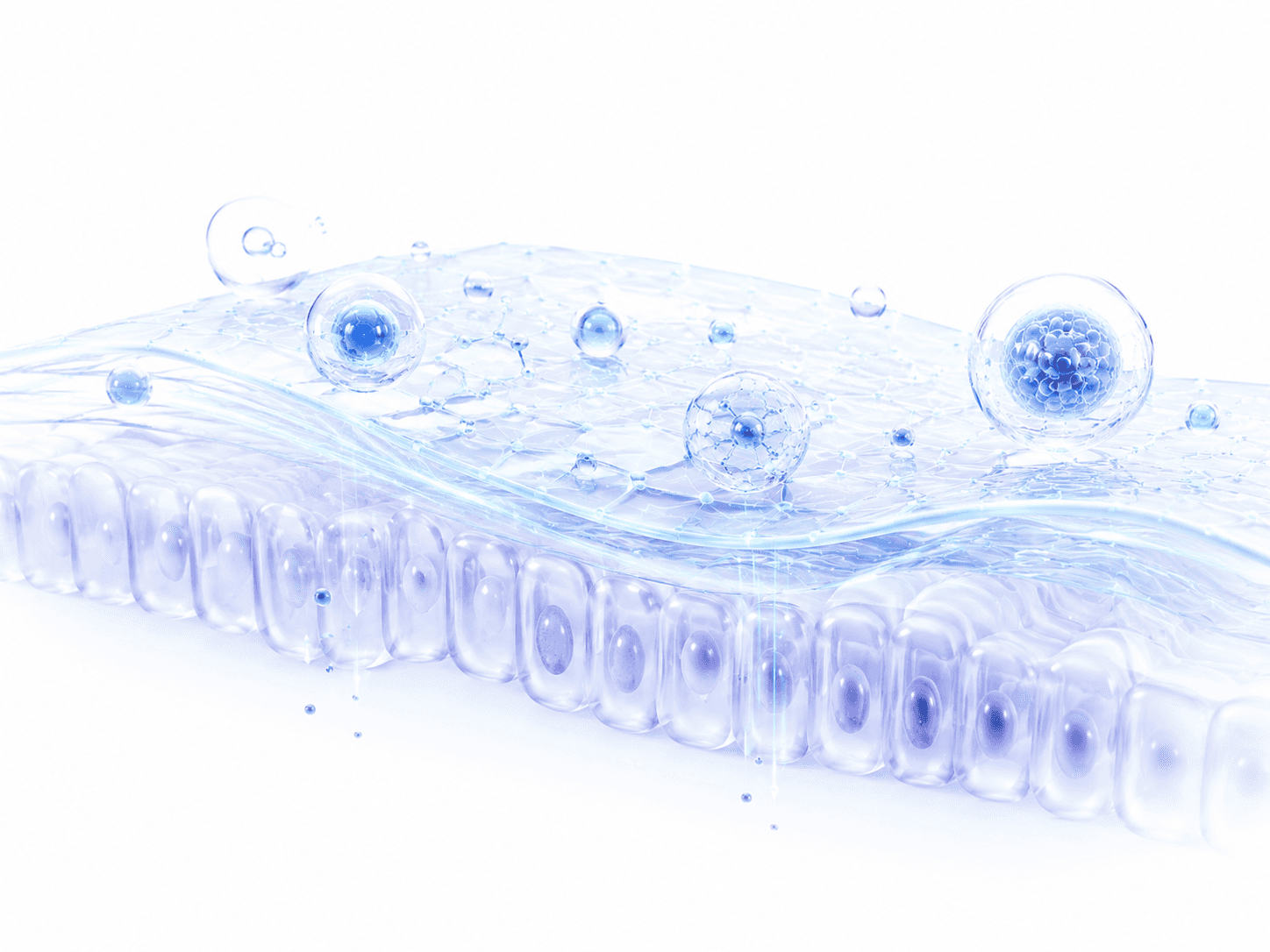
Focuses on the contact boundary between materials and the nasal-mucosal surface—studying their distribution, residence and gentle delivery in the local nasal environment. The product is not framed as drug penetration or systemic action, but viewed from a 'nasal-mucosal surface comfort support' angle—observing how materials help maintain a fresh, low-burden, stable nasal microenvironment.

Applicable scenarios

  • Suited for product-communication scenes that explain a 'non-drug, non-treatment, daily care' nature, as well as for research collaboration, materials intros and low-burden nasal-care logic pages.
TranscytosisDeliveryMucosal InterfaceNon-pharmacological context
Breathing ease and thoracic comfort association

Breathing rhythm and chest comfort

Mechanism pathway

Focuses on the link between nasal comfort and breathing experience. Under dryness, post-exercise, air changes or long stays in enclosed environments, people may feel less fresh, smooth breathing or chest expansion. The work doesn't intervene in respiratory disease, but starts from nasal microenvironment, breathing rhythm and overall comfort to support a lighter, smoother daily breathing experience.

Applicable scenarios

  • Suited for communication with audiences experiencing reduced nasal/respiratory comfort after exercise, dry environments, long travel, AC rooms or low ventilation; also suited to pages emphasizing fresh, light, low-burden breathing.
SDF-1/CXCR4miR-21Breathing RhythmChest comfort
Posterior nasal freshness and rhythm comfort

Post-nasal freshness and rhythm comfort

Mechanism pathway

Focuses on the freshness, moisture and rhythm comfort in the back of the nose. Around nasal cleanliness, local moisture and the nose-breath rhythm relationship, it observes why some people feel the post-nasal area is stuffy or uncomfortable during prolonged sitting, dryness, hot nights or poor air flow. The work doesn't address central nervous system treatment; from a daily-comfort perspective, it supports a fresher, calmer post-nasal state.

Applicable scenarios

  • Suited for explaining post-nasal freshness loss and rhythm discomfort during long office sitting, hot nights, AC rooms, poor ventilation or extended voice use, and as a consumer-friendly alternative to axis-concept language.
Nose-Brain AxisRhythm ComfortPost-TargetingPost-nasal freshness
Local moisture cling and comfort

Local moisture and adhesion comfort

Mechanism pathway

Focuses on the even distribution, moisture residence and adhesion comfort of the spray on the local nasal surface. After dryness, cold wind, AC, frequent cleansing or external stimuli, the nasal mucosa can feel dry, tight, locally uncomfortable. Rather than 'targeted treatment', it observes how materials form gentler, more even local moisture support—helping the nose maintain a light, fresh, low-burden daily state.

Applicable scenarios

  • Suited for scenes with dryness, local tightness, insufficient freshness, or those wanting a gentler moisture experience; also for short explainers about 'spray distribution, local adhesion, hydration comfort'.
Local EnrichmentMoisture ComfortAdhesionLocal moisture comfort
Comfort boundaries when multiple systems meet in language

Cross-system synergy comfort boundary

Mechanism pathway

From a holistic comfort-management view, focuses on the synergy among nasal area, breathing rhythm, environmental triggers and daily state. Rather than claiming effects on a specific system disease, it clarifies the material's application boundary: based on nasal-mucosal comfort support, extending to breathing feel, freshness, rhythm and low-burden experiences—helping consumers understand the 'nose–breathing–overall comfort' materials-research context.

Applicable scenarios

  • Suited for premium brand pages, materials descriptions, consumer education and product summary copy—especially for concluding modules emphasizing 'system-level comfort, without crossing treatment boundaries'.
System AxisNetworkComfort BoundarySynergy

Keywords: nasal surface environment, airway comfort feel, hydration balance, trans-mucosa material context, system-level research boundaries. This is a research-use biomaterial for in vitro materials evaluation and information only—not diagnosis, treatment, cure, prevention, or a promise of results in humans.

7 product functions & the issues they address

Plain-language framing
FunctionIssues addressed
01Nasal dryness soothingDry/tight discomfort after dry air, dust, AC
02Balanced nasal careDiscomfort after mask occlusion, temp swings, long indoor time
03External-trigger calmingSensitivity/itch after haze, smoke, dust, odors
04Moisturizing adhesion careDry nose, fading moisture, grit feel when breathing
05Gentle-boundary noteWorry about strong stimulus or drug-like intervention
06Post-nasal freshness supportPost-nasal stuffiness, heavy breath, less open feel after dryness
07Deep-breath comfort supportLess smooth respiratory feel after exercise, dry season, environment change
Research framing
Research targetPrimary action direction
Mucosal hydration and barrier comfortSupport a supple, fresh, low-stimulus nasal state
Nasal microenvironment stabilityReduce swings and keep comfortable balance
Gentle response after external triggersHelp the nose return to steadier comfort
Surface hydration and adhesion rhythmHelp form even, gentle, lasting moisture experience
Gentle contact between materials and barrierEmphasize low-burden, non-stimulating, non-drug logic
Post-nasal freshness and breathing rhythmSupport front/back nasal freshness and comfort
Continuous comfort from nose to airwayImprove subjective openness and lightness when breathing deeply
R&D logic keywords
Mucosal Comfort Support
Hydration & Adhesion Rhythm Support
Barrier-friendly Interaction
Post-nasal Comfort Support
Respiratory Comfort

Breathing and the nose: seven comfort-forward scenes

Scenario 1 | Soothing care for nasal dryness in hot/cold environments
Soothing care for nasal dryness in hot/cold environments

· Suitable states

Suited for those long exposed to dry air, dust, AC airflow or hot/cold swings, with a nose easily dry, tight or less open.

· Core focus

Focuses on surface hydration, mucosal comfort and low-stimulus care to keep a gentle, fresh, stable daily nasal state.

· What you might notice

Dry tightness may ease; airway freshness and comfort may improve.

Research statement

  • Support a hydrated mucosal environment
  • Maintain barrier comfort
  • Help reduce subjective discomfort from dry environments

Individual experiences vary; not a promise of fixed outcomes.

Scenario 2 | Soothing care when nasal mucosa feels dry/stuffy under masks
Soothing care when nasal mucosa feels dry/stuffy under masks

· Suitable states

Suited for those whose nose is easily affected by temp swings, mask heat, or long indoor stays—becoming dry, stuffy and uncomfortable.

· Core focus

Focuses on nasal microenvironment and mucosal surface state to reduce swings and keep a steadier comfort rhythm.

· What you might notice

The nose feels more breathable and comfortable; stays softer through dry or AC environments.

Research statement

  • Focus on nasal microenvironment homeostasis
  • Support mucosal-surface comfort balance
  • Help maintain a low-fluctuation, low-burden care state

Individual experiences vary; not a promise of fixed outcomes.

Scenario 3 | Soothing care for sensitive itching after external triggers
Soothing care for sensitive itching after external triggers

· Suitable states

Suited for those whose nose easily becomes sensitive or itchy after haze, dust, smoke, odors or volatile compounds in enclosed spaces.

· Core focus

Focuses on the buffering feel and comfort recovery under external stimuli to help the nose handle environmental change more gently.

· What you might notice

Post-stimulus discomfort may ease more readily; nasal freshness may stand out more.

Research statement

  • Modulate the stimulus-response threshold
  • Support a surface buffering environment
  • Help maintain low-stimulus, low-fluctuation comfort

Individual experiences vary; not a promise of fixed outcomes.

Scenario 4 | Soothing care for dry nasal interior with fading moisture
Soothing care for dry nasal interior with fading moisture

· Suitable states

Suited for those with a dry nasal interior, fading moisture, or grit/dryness sensations when breathing.

· Core focus

Focuses on spray distribution, adhesion and hydration rhythm on the nasal surface to form a more even, gentle moisture experience.

· What you might notice

Local moisture is more perceivable; dryness or grit feel while breathing may ease.

Research statement

  • Support mucosal-surface hydration balance
  • Focus on formulation adhesion and spread rhythm
  • Help improve nasal moisture and comfort

Individual experiences vary; not a promise of fixed outcomes.

Scenario 5 | Low-burden soothing care when worried about care strain
Low-burden soothing care when worried about care strain

· Suitable states

Suited for those worried about strong nasal-care stimulation or preferring gentler, low-burden, non-drug daily routines.

· Core focus

Focuses on gentle contact between materials and the nasal mucosa—emphasizing comfortable care boundaries, not strong stimulation or strong intervention.

· What you might notice

The care process feels gentler; the nose accepts it more easily—fits a low-burden daily care context.

· Note

In vitro model and materials research context only—not intranasal drug delivery, systemic penetration, or central nervous system medical use.

Research statement

  • Focus on barrier-friendly contact
  • Support a low-stimulus, low-burden care logic
  • Emphasize material gentleness and comfort boundaries

Individual experiences vary; not a promise of fixed outcomes.

Scenario 6 | Soothing care when breath feels heavy and the nose isn't fresh
Soothing care when breath feels heavy and the nose isn't fresh

· Suitable states

Suited for those who feel the post-nasal area isn't fresh or breath feels heavy after seasonal change, sleep loss, long focus or dry environments.

· Core focus

Focuses on comfort and freshness across front and back nasal areas to keep airway feel lighter and smoother.

· What you might notice

Front and back nasal freshness may improve; breathing feels lighter and less burdensome.

· Note

Comfort wording plus in vitro vocabulary boundaries only—not any neurological treatment or intervention claim.

Research statement

  • Focus on post-nasal comfort
  • Support front/back hydration balance
  • Help maintain a fresh, light breathing experience

Individual experiences vary; not a promise of fixed outcomes.

Scenario 7 | Soothing care when deep breathing isn't smooth
Soothing care when deep breathing isn't smooth

· Suitable states

Suited for those who feel the route from nose to airway isn't smooth or light after exercise, dry season or environment change.

· Core focus

Focuses on continuous comfort from nose to airway with hydration, freshness and low fluctuation to support subjective comfort while breathing deeply.

· What you might notice

Subjective resistance may decrease when breathing deeply; the overall airway feels more comfortable and open.

· Note

In vitro multi-system model boundary note only—not prevention, treatment, or management of any heart, lung, or respiratory disease.

Research statement

  • Focus on continuous airway comfort
  • Support hydration and nasal freshness
  • Help maintain a light feel during deep breathing

Individual experiences vary; not a promise of fixed outcomes.

This product is a research-use biomaterial sample intended only for in vitro research, materials evaluation, and formulation development reference. Nothing herein constitutes diagnosis, treatment, cure, or prevention of any disease, nor a guarantee of results after consumer use. For clinical, aesthetic-medicine, or dermatologic disease management contexts, follow qualified physician or pharmacist guidance.

Partnership

Discuss Professional Partnership

For material procurement, professional program partnerships, or custom development inquiries, please contact us through our partnership channel.